The New Dandies of Rural Grandeur
Stare at the mirror handed by the reflection of the river at dawn. Valada do Ribatejo is an elongated village dipping its feet in the Rio Tejo. Some call it Tagus or Tage but Rio Tejo helps understand its topography. Ribatejo means "upper" or the bank of the Tagus, while Alentejo, from the Arabic além, means "beyond" or across the Tagus.
Ribatejo is where millenary stones and Lusitano horses conspire, both holding mythic realms of history. And if you don't slow down, if you don't listen, you'll be missing their lines. The equestrian culture and its allures are cultural signifiers and great points of departure for role-play.
Look how the Picadera hat of Golegã is close to the John B. Stetson that American painter Georgia O'Keeffe bought at Moore's in Santa Fe, New Mexico. Dandies of rural grandeur and loners of the desert exude the authentic styles of Native Americans in the portraits by Edward Sheriff Curtis (1868–1952); skins and textiles are fearless of the wrinkles and dust of nature.
In Ribatejo, nomads were ancestral fishermen not tethered to a screen. They would slide along the river in colourful boats across seasons, until one day, the boat served as the foundation of a colourful house, forever docked.
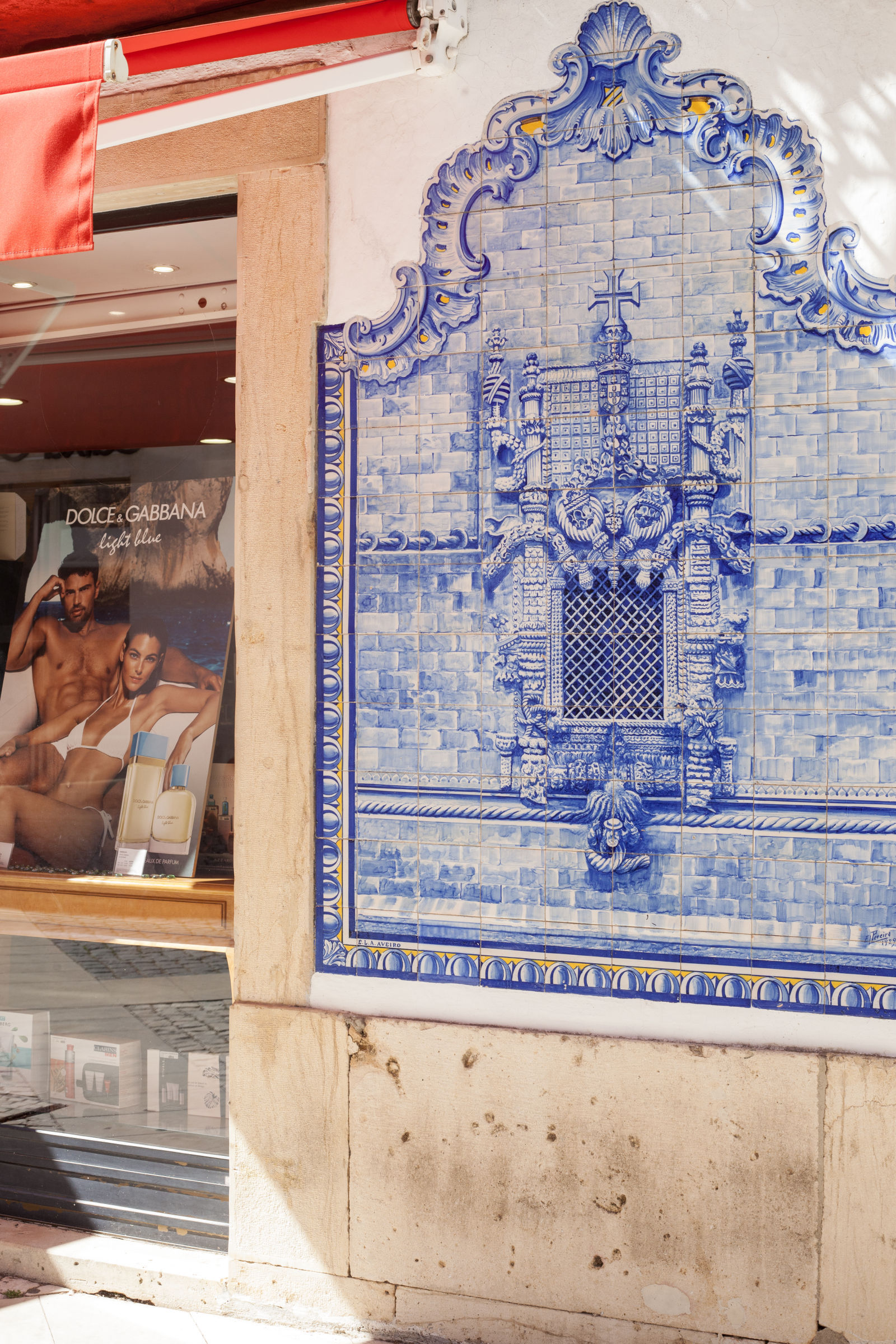
From the countryside, you might miss a few art openings but ancient sacred art in the region will fill in the blanks. Built by the Knights Templar or often conflicting brotherhoods, these convents, Manueline and Gothic churches will entice and thrill your post-modern brain. For whoever has encountered many geographies, there is a smooth Asian pace in Ribatejo, where everything feels timeless.
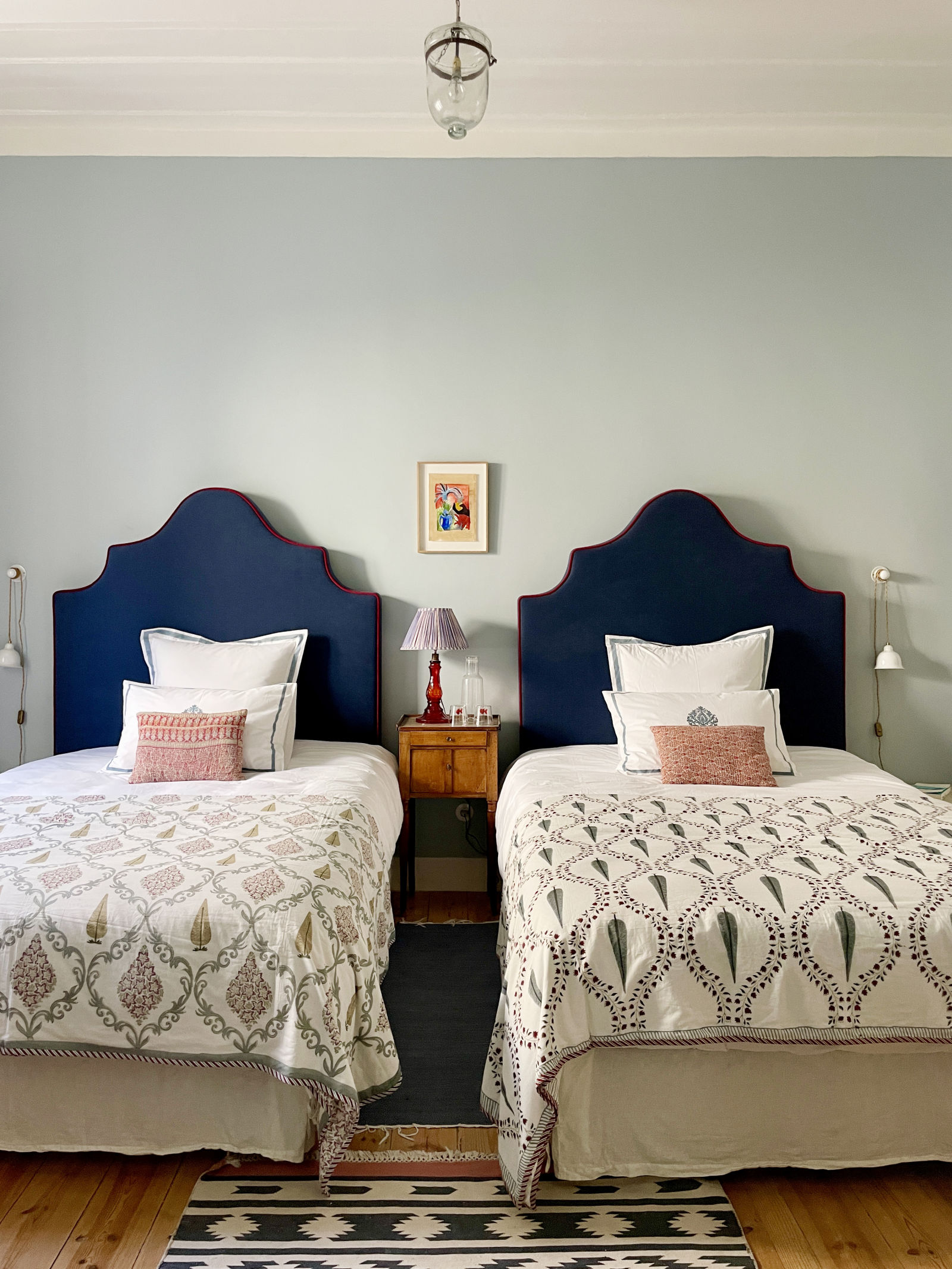
The Portuguese Quintas (agricultural estates), the Solares (manor houses and palácios), the courtyard farms and stables, all bath in bucolic landscapes between cities and their distinctive history; Santarém, Alenquer, Golegã, Tomar, and Abrantes.
Life facing a river in the words of Greek philosopher Heraclitus, "A man never enters the same river twice…", speaks of perpetual change at the root of everything. And like riverbeds, what we call HOME is complete when a gentle architecture lives in connivance with its biosphere, hosting living beings along their sways.