216 Old Montauk Highway, Montauk


In Ribatejo, fertile lands seed multicultures


Exclusive Agent
Pascal Chesnot | Real Estate
(+351) 964 841 529
http://pascalchesnot.com
IG: pascallisboa
Get In touch


"After more than a decade in music marketing in Paris and New York, I moved to Lisbon in 2005 to pursue a new dream and a new life. Five years later, I opened “Le Petit Bistro”, a French restaurant in Bica, which I sold in 2015. Since then, I have focused on curating rare properties and distinctive real estate projects across Lisbon, Alentejo, and Central Portugal."


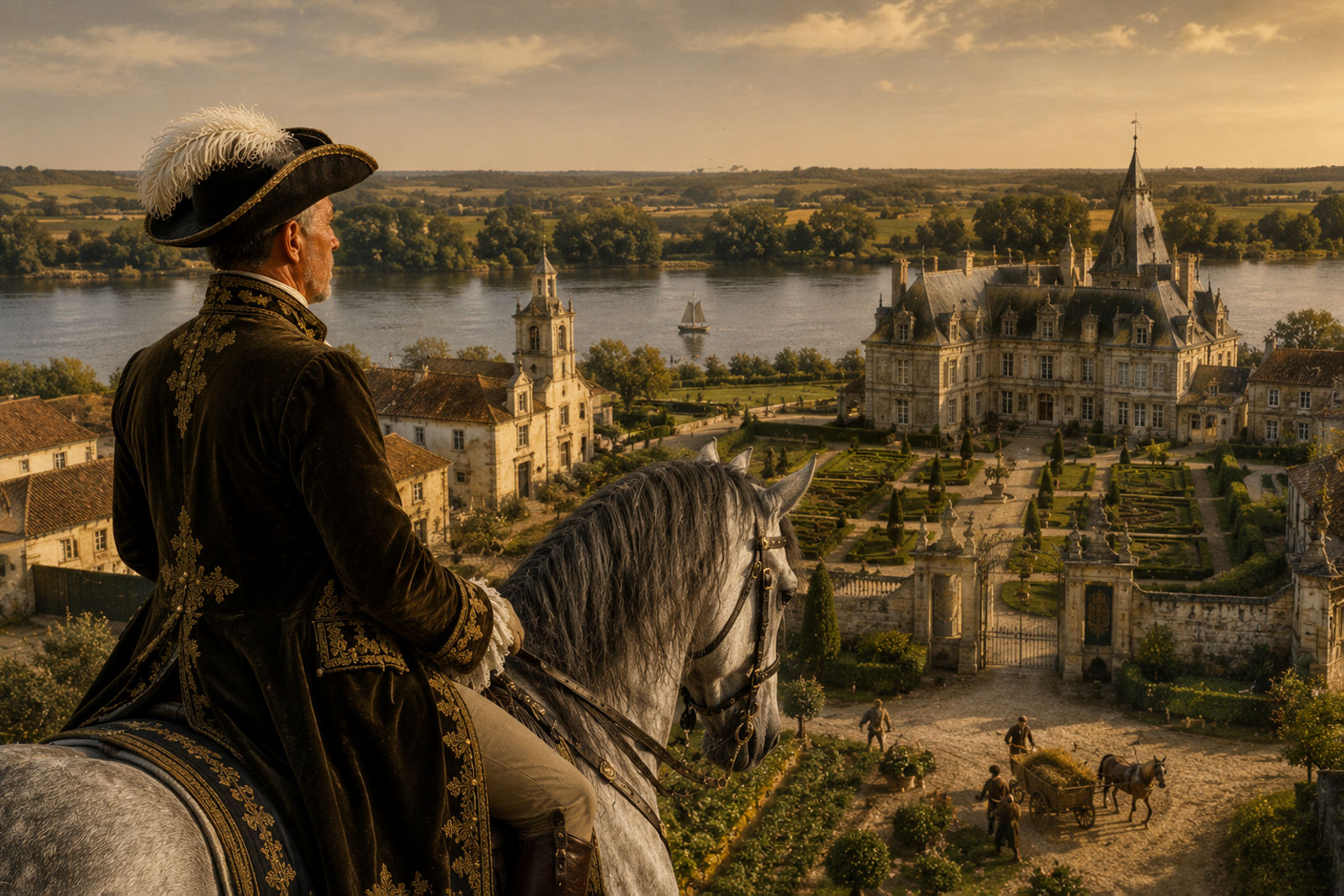
Ribatejo — A Manor North of Lisbon
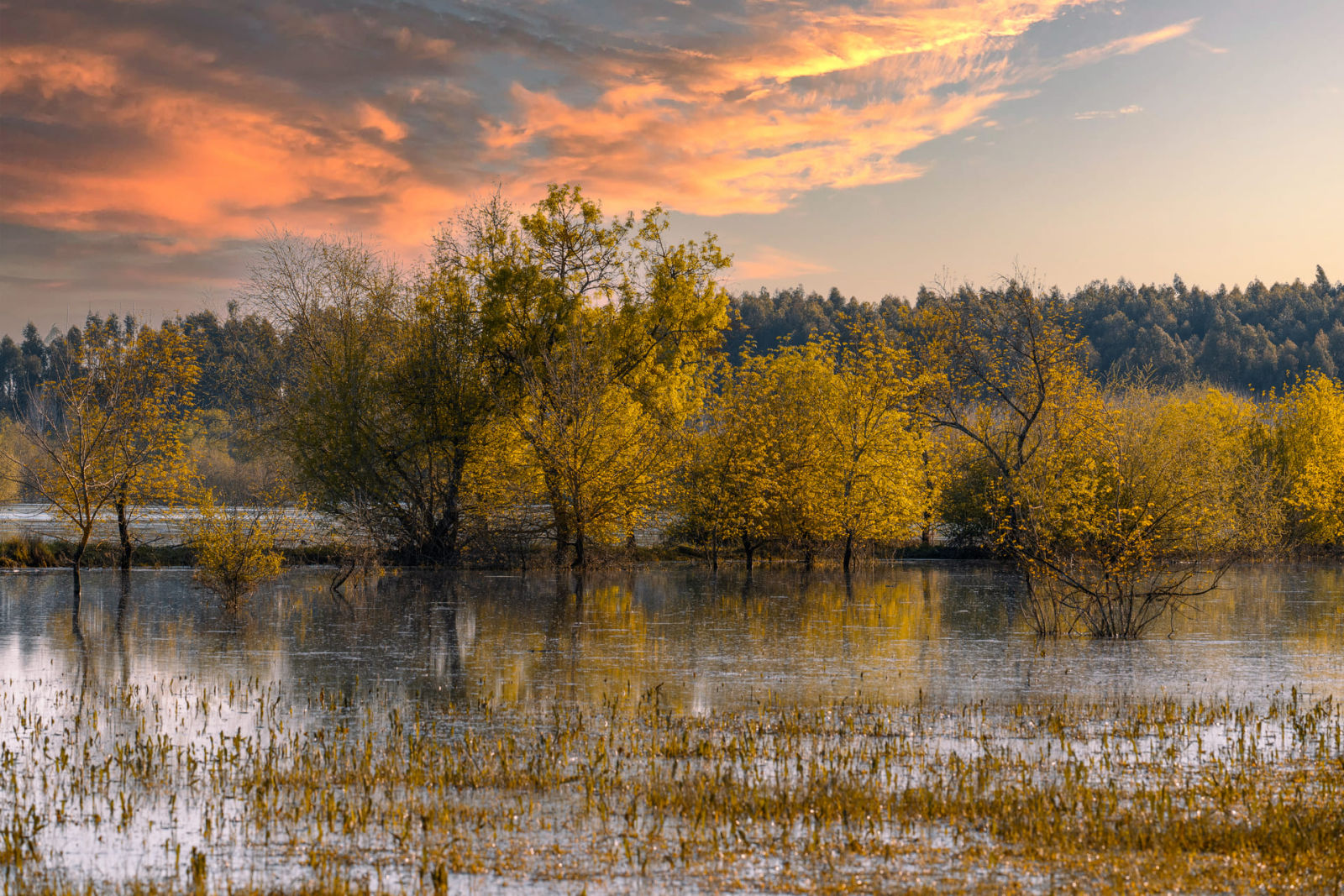
Ribatejo means ‘upper the Rio Tejo’, the land by the banks of the Tagus. The region has a distinctive landscape of rich alluvial plains, pastures and farmland, with a strong cultural attachment to both the land and the river forming its artery. Fields of rice, wheat, millet, and vineyards define the terrain and much of the local livelihood.


Fertile lands seeded multicultures
For as long as the Tagus has flowed through Ribatejo, peoples have settled along its bank, drawn by the region’s fertile plains. First arrived the Neolithic settlers. Later Jews, Muslims and Christians all played a role. The Muslims created the dykes and engineering works and introducing Arab words into the Portuguese language. Santarém synagogue is the oldest in Portugal.


Knights Templar and Tomar
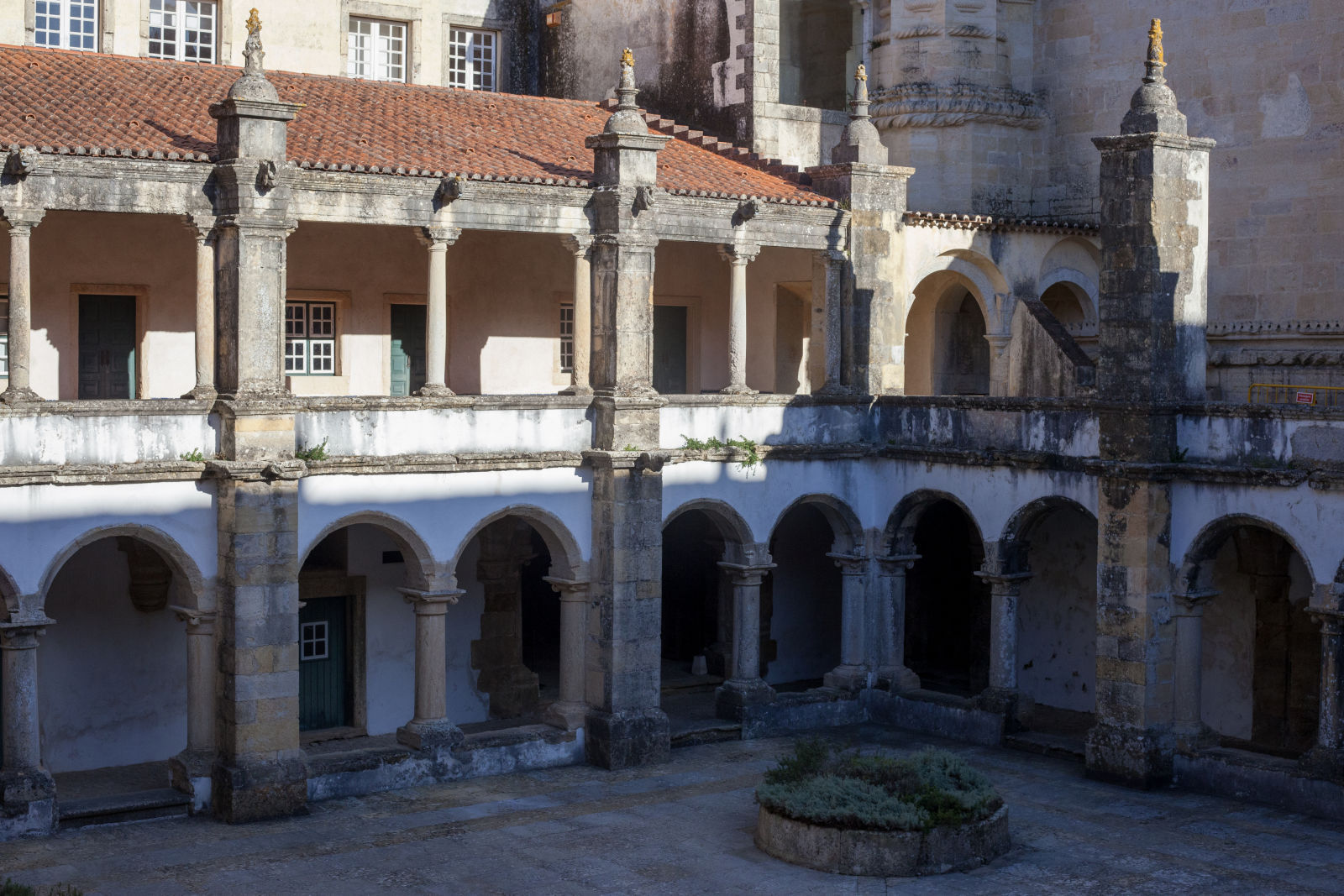
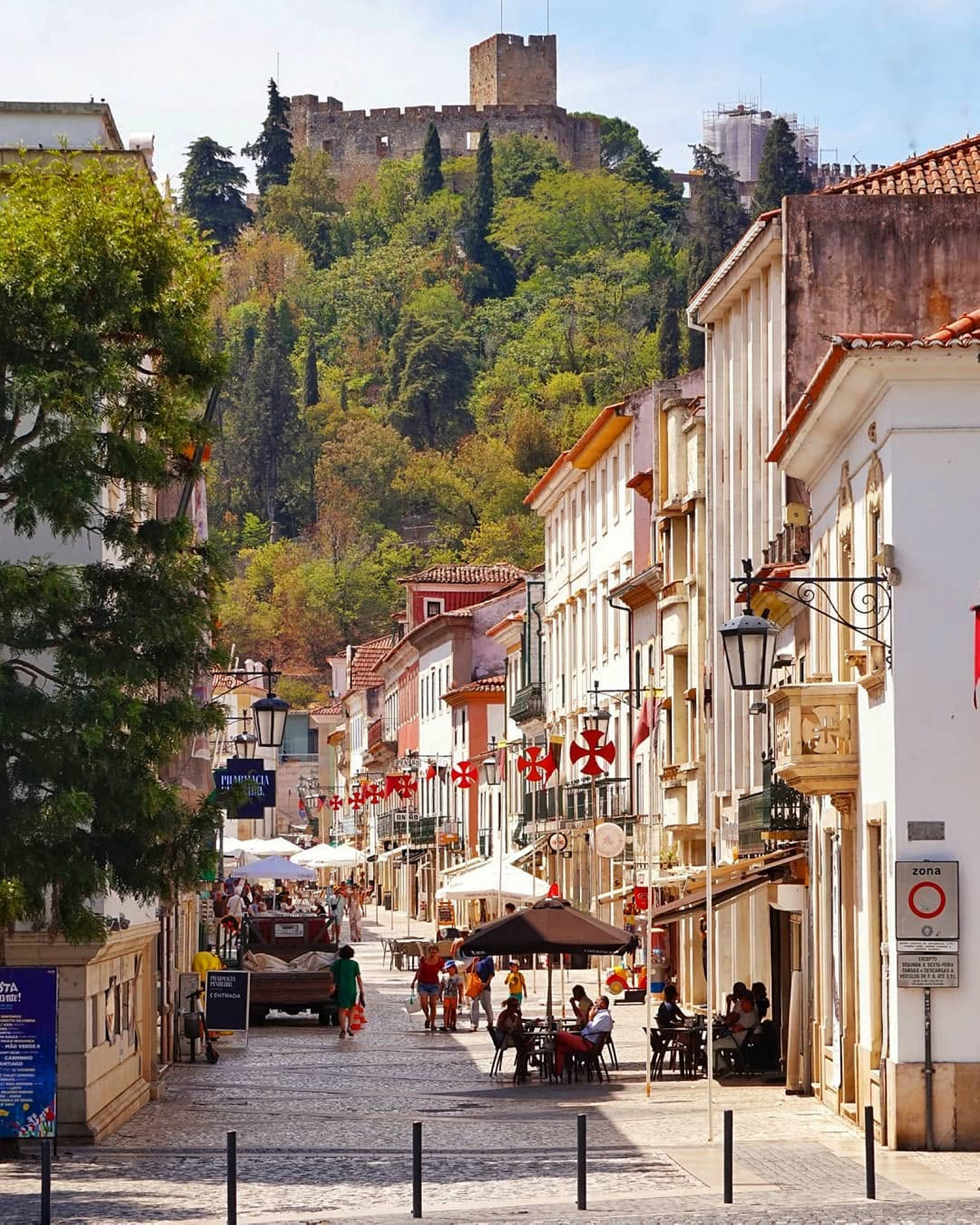
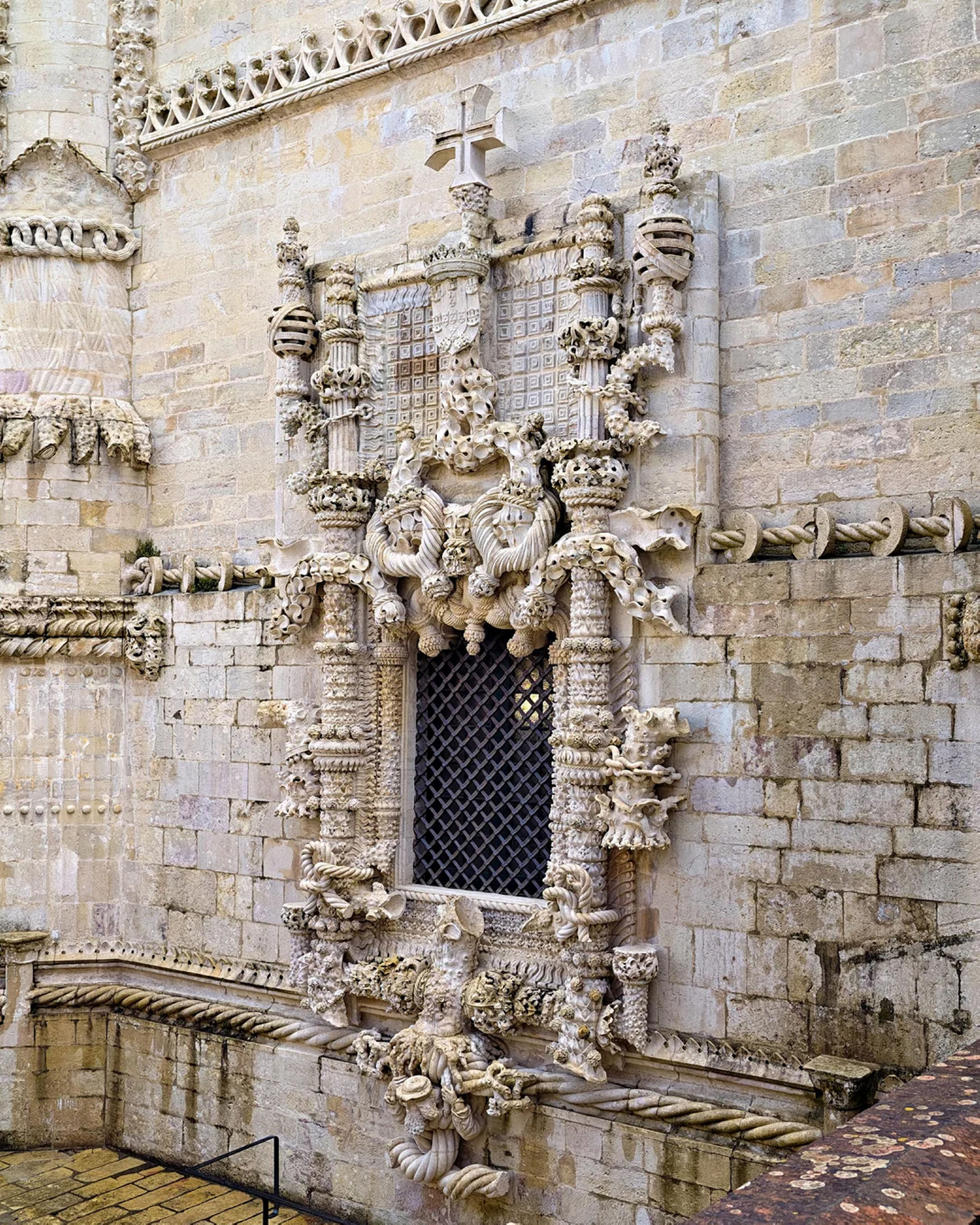
In Tomar, the Knights Templar left the legacy of a knighthood and religious military order of the time of the Crusades. Convent of Christ and Templar Castle (Tomar) was inscribed as a UNESCO World Heritage Site in 1983. Ribatejo became the haunt for kings and courtiers who founded churches, convents and chapels, enjoying falconry and hunting.


Ribatejo: A Royal Animal Kingdom
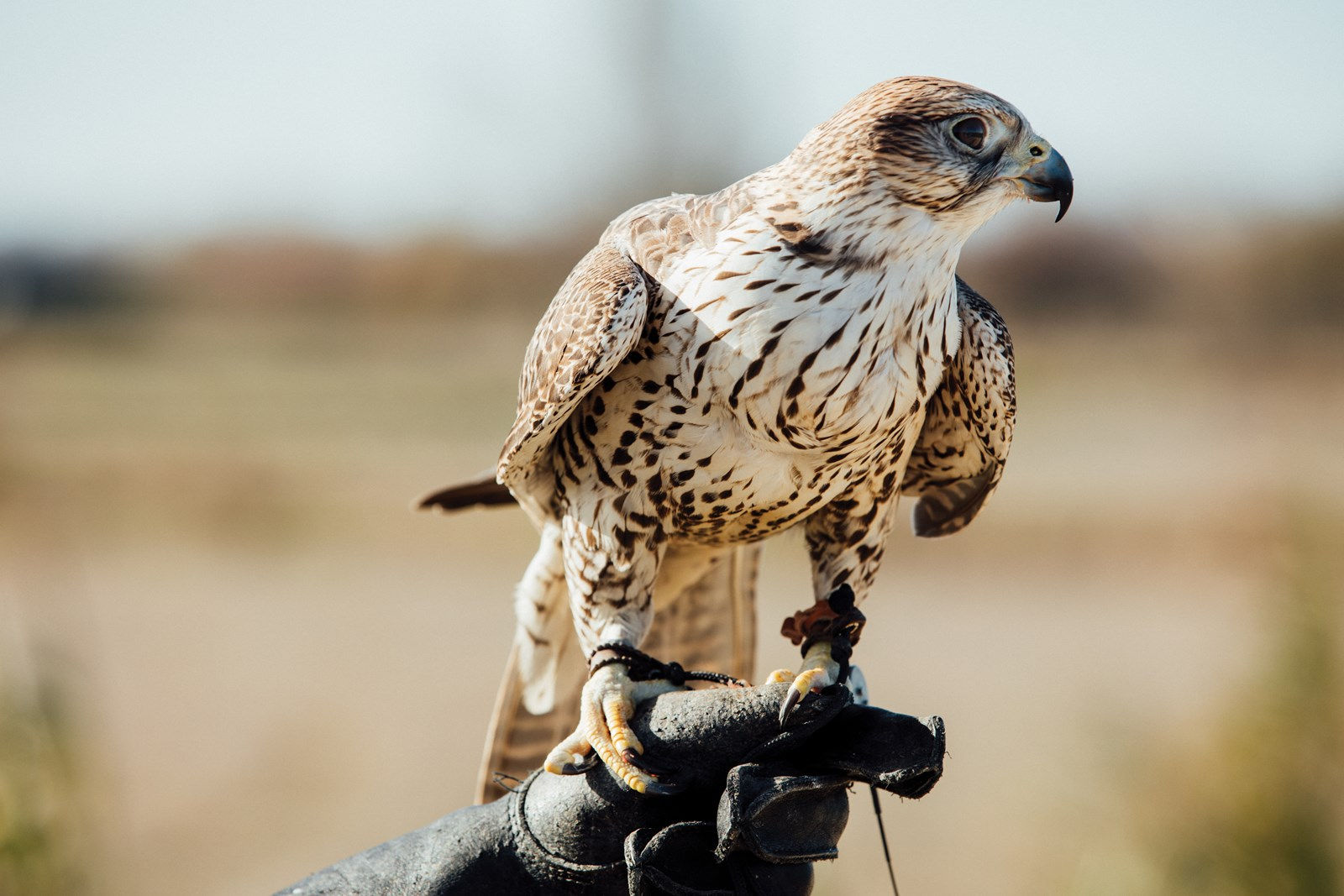
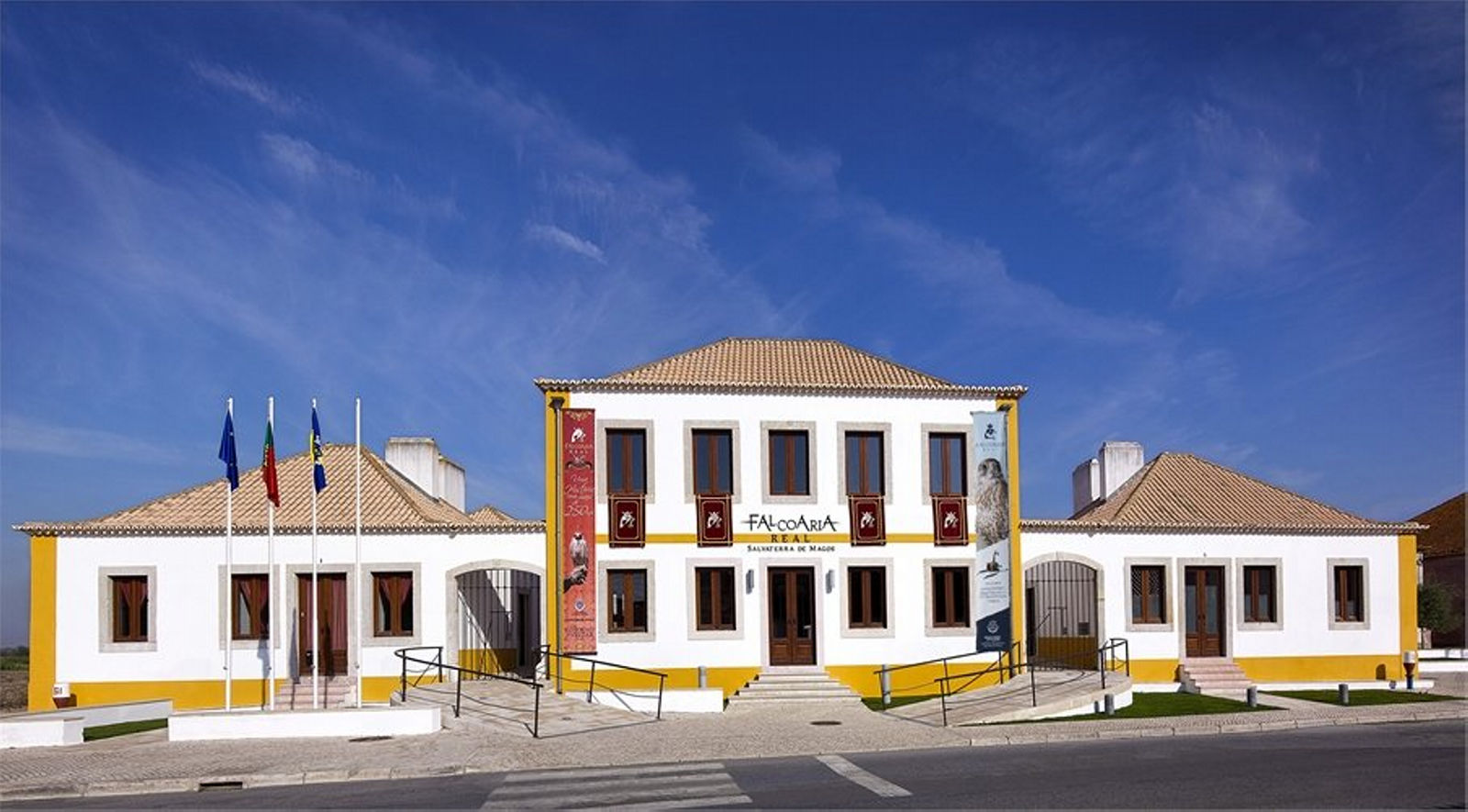
The Art of Falconry (Salvaterra de Magos)
Added to the UNESCO Intangible Cultural Heritage of Humanity list in 2016, the historical bond between human and bird of prey is actively preserved and demonstrated daily at the Royal Falconry of Salvaterra de Magos.


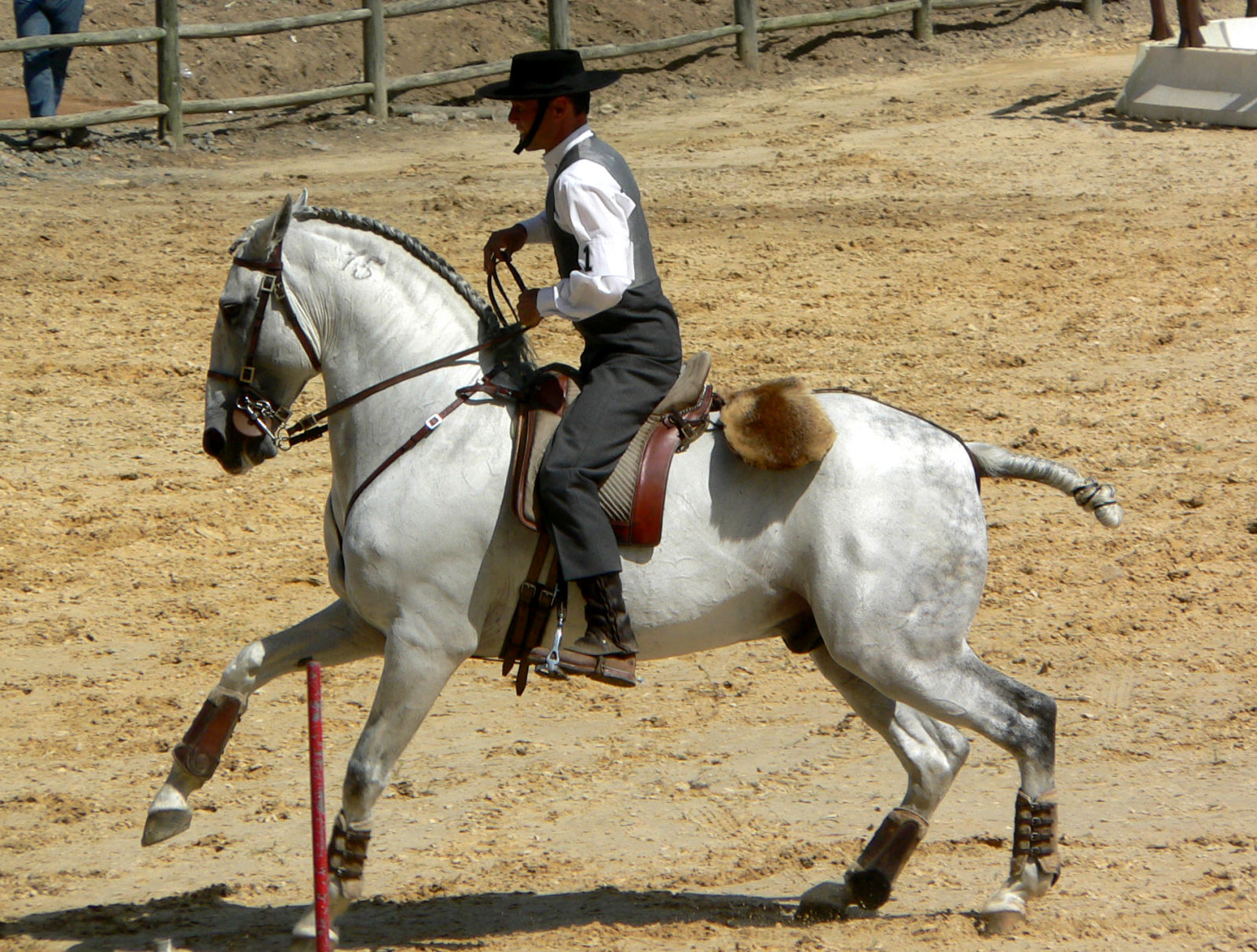
The mythic Lusitano
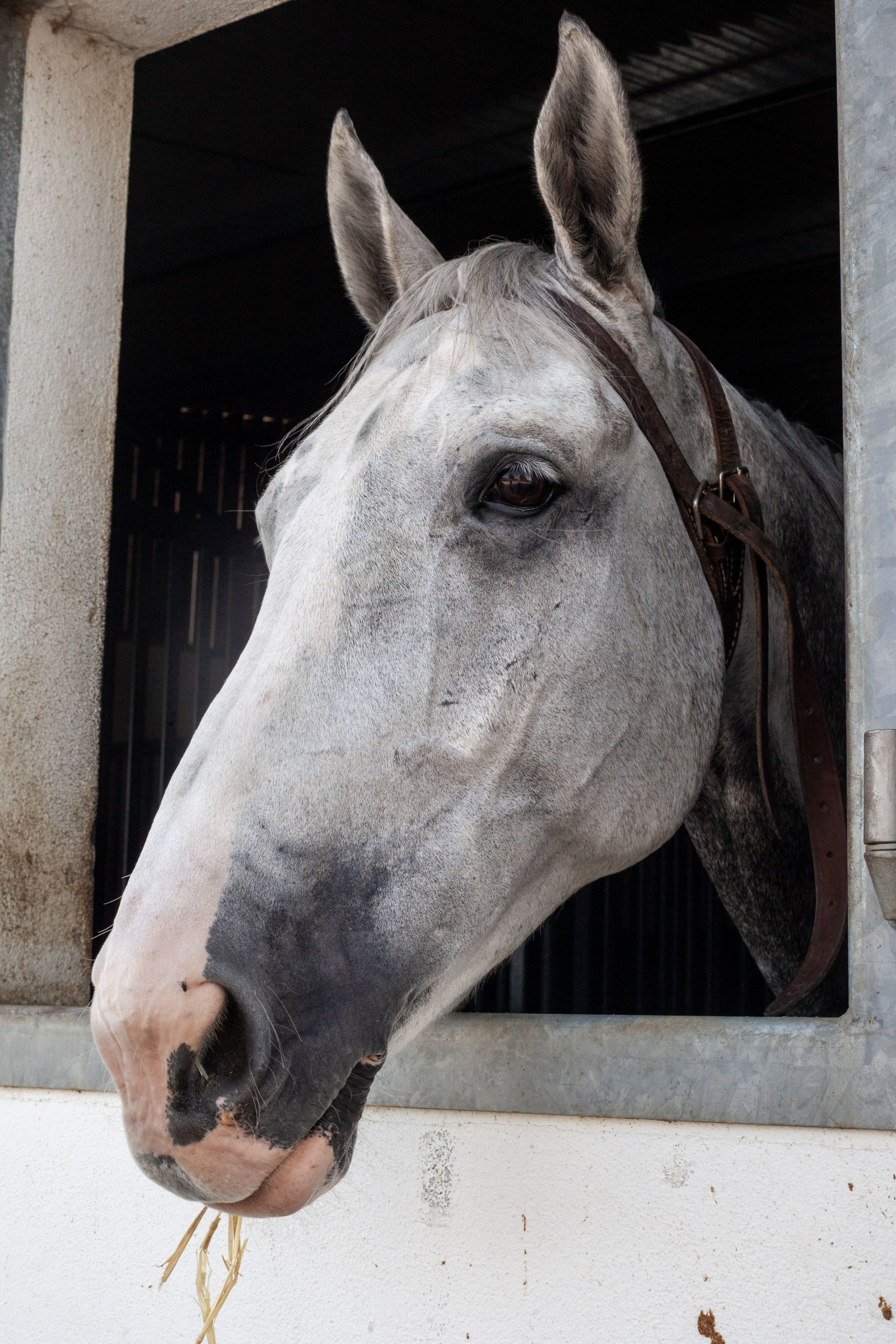
Ribatejo is internationally known for breeding some of the finest horses. Called "Andalusian" up until 1966, when the name Lusitano was formally adopted after Portugal and Spain separated their studbooks.


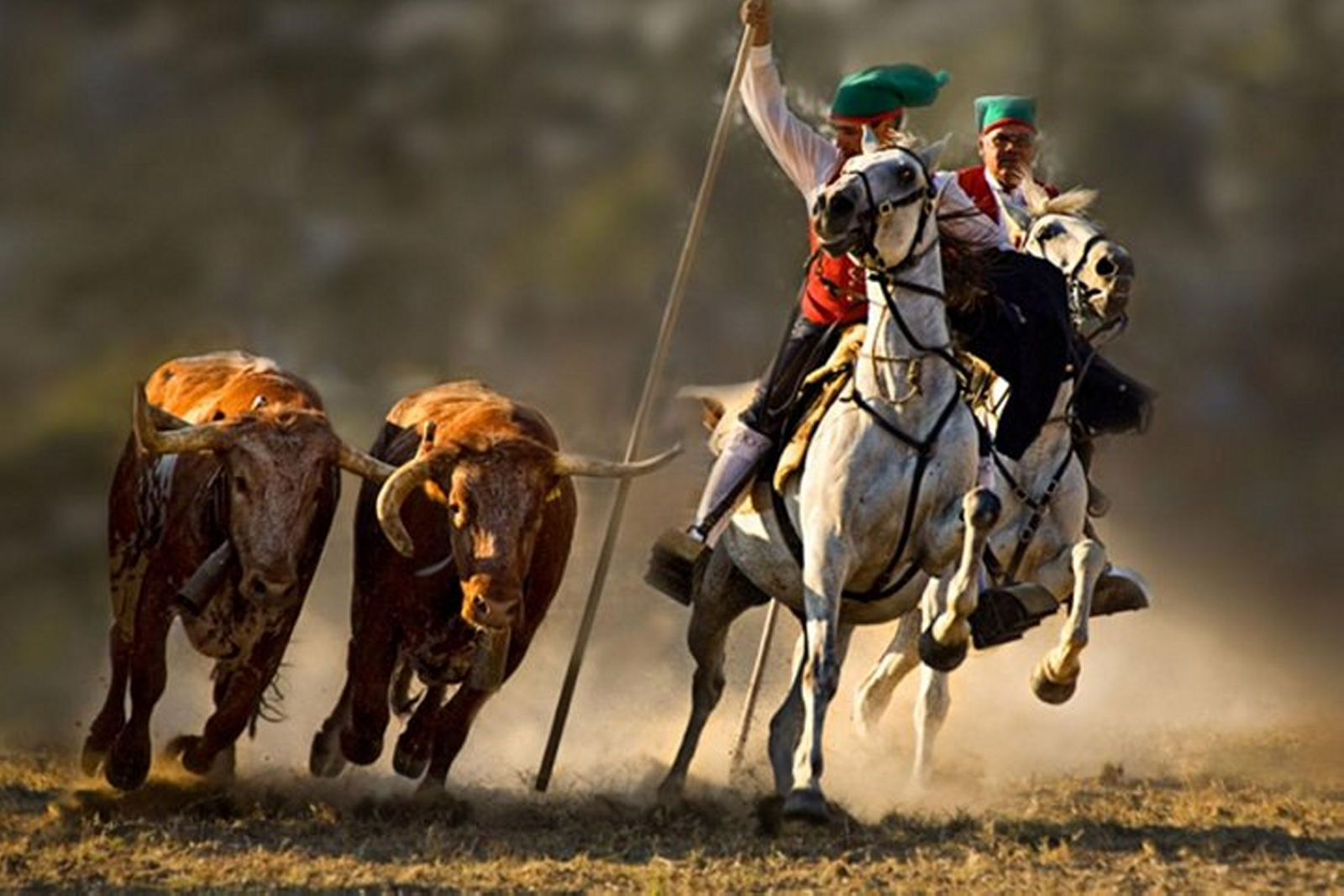
Cavaleiros and bullfighting
Horseback bullfighting was historically considered a mark of nobility, governed by codes of honour and chivalry in the late 17th century, except bullfighting in Portugal is treated as an art and a cultural marker rather than the deadly practice in Spain.


Birdwatching, UNESCO Biosphere Reserve
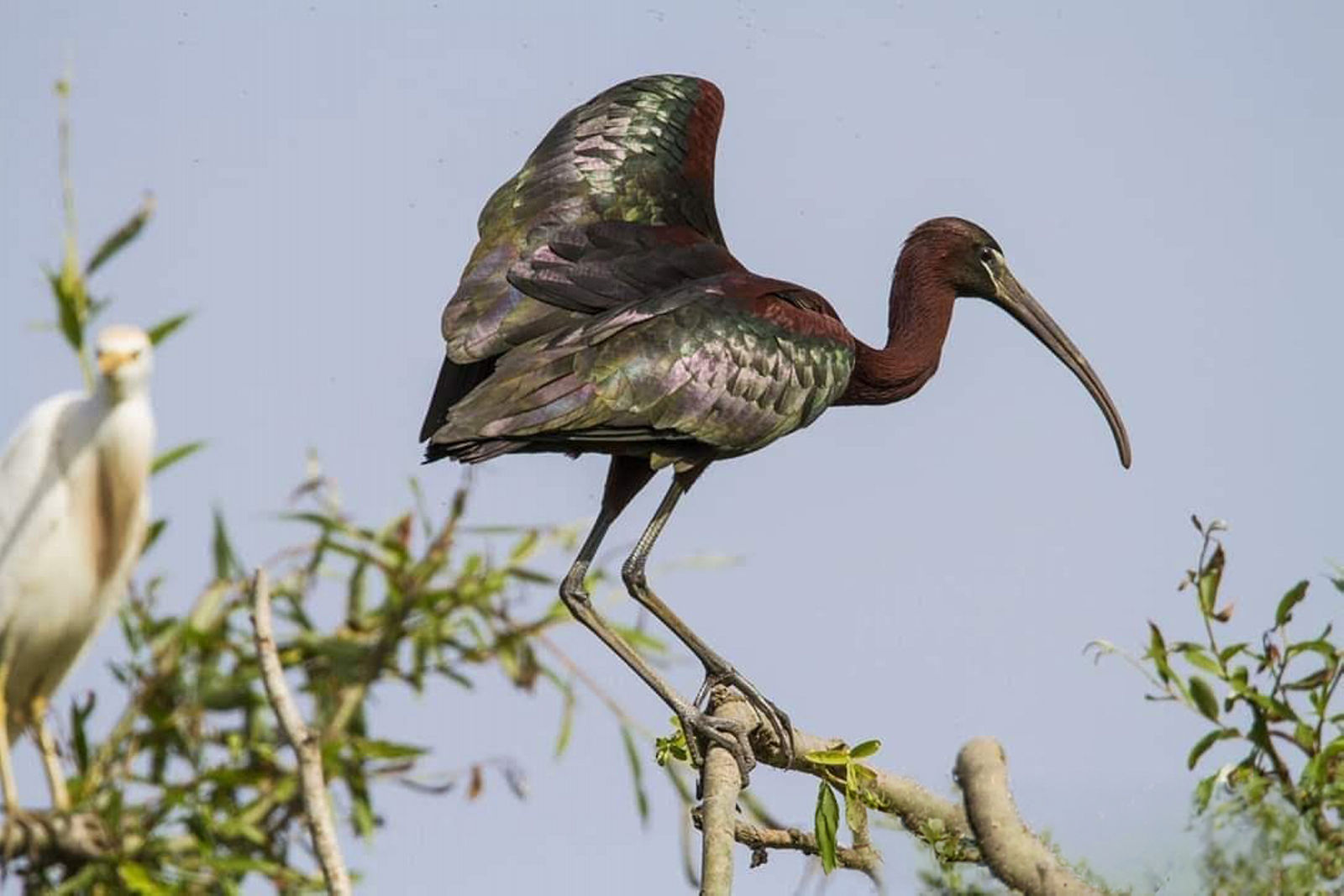
In Ribatejo, grey herons patrol the river and scoop its surface with expert fishing skills. Paul do Boquilobo Nature Reserve in Golegã, Torres Novas was designated in 1981 as the first ever UNESCO Biosphere Reserve in Portugal. This fertile wetland is a major sanctuary for over 200 bird species—most famously the white heron.


Valada, a riverside village
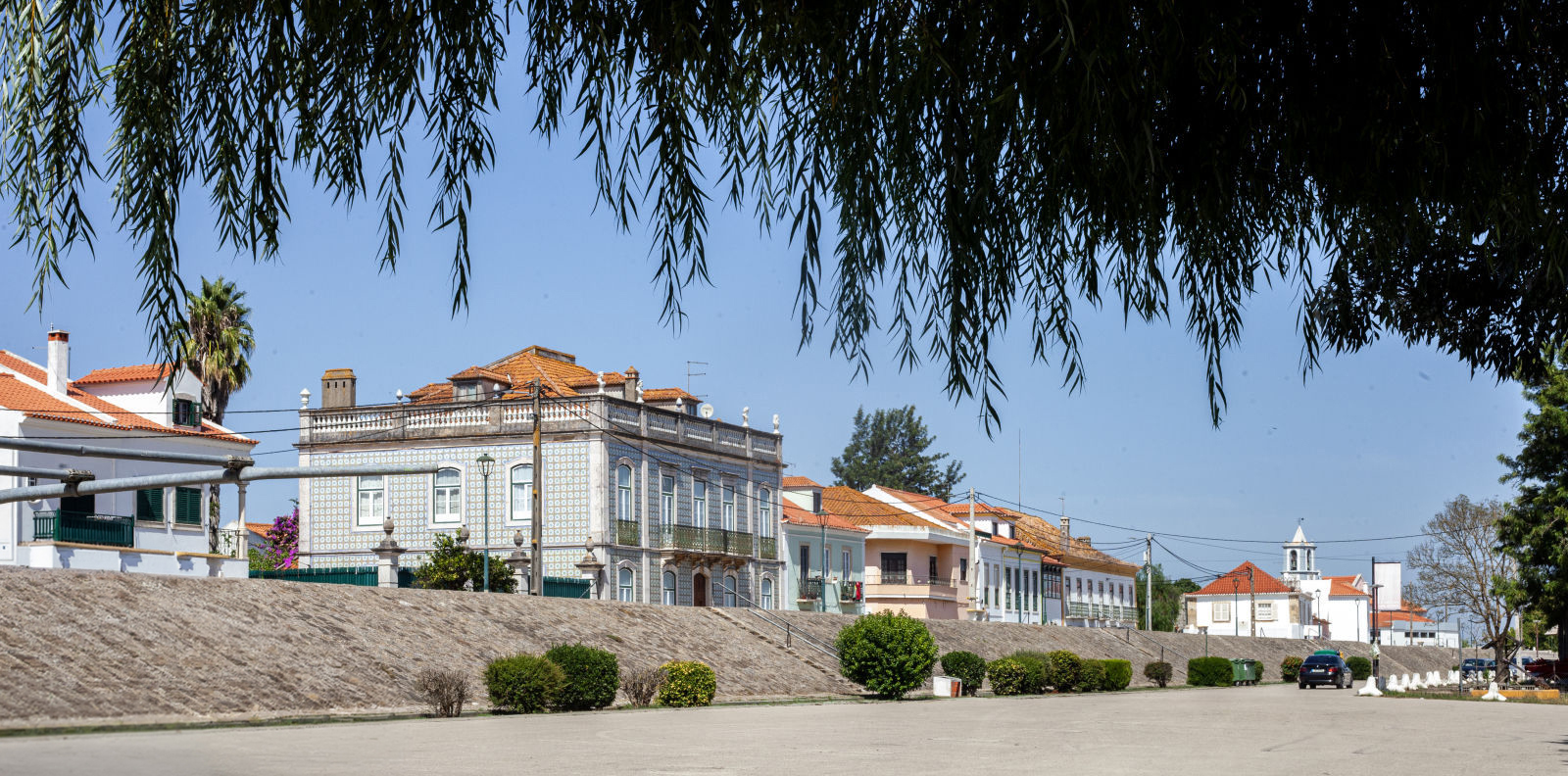
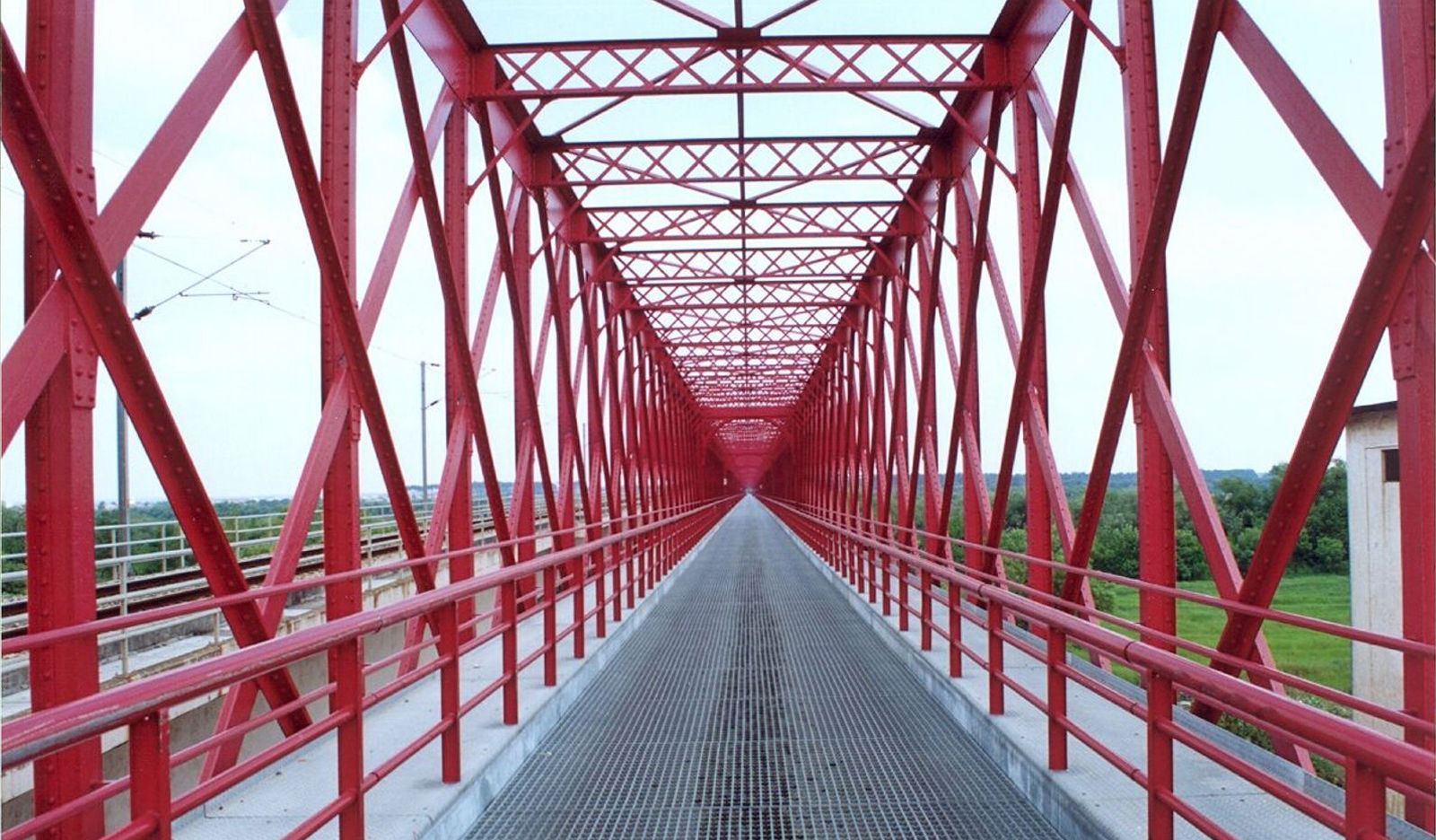
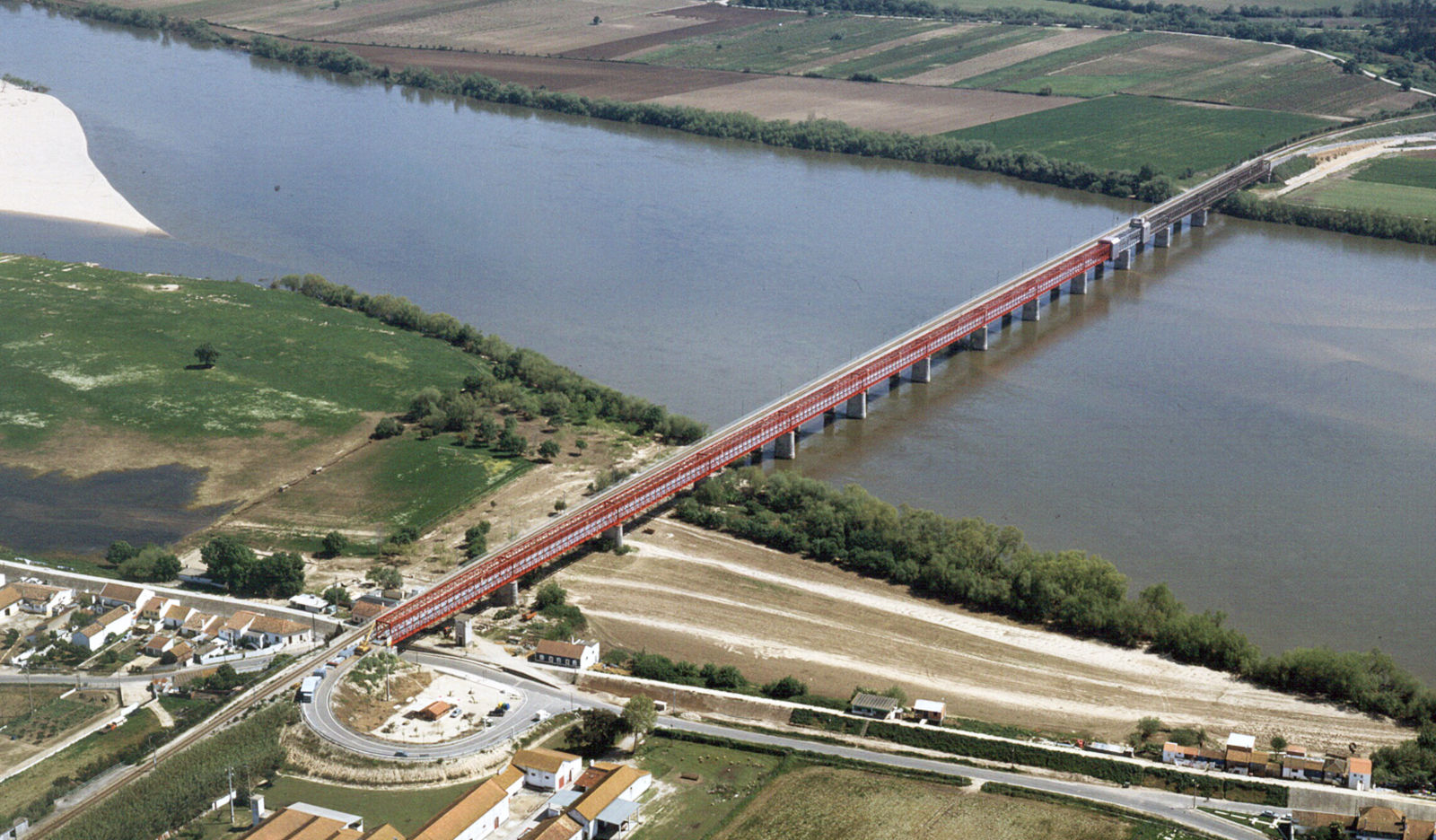
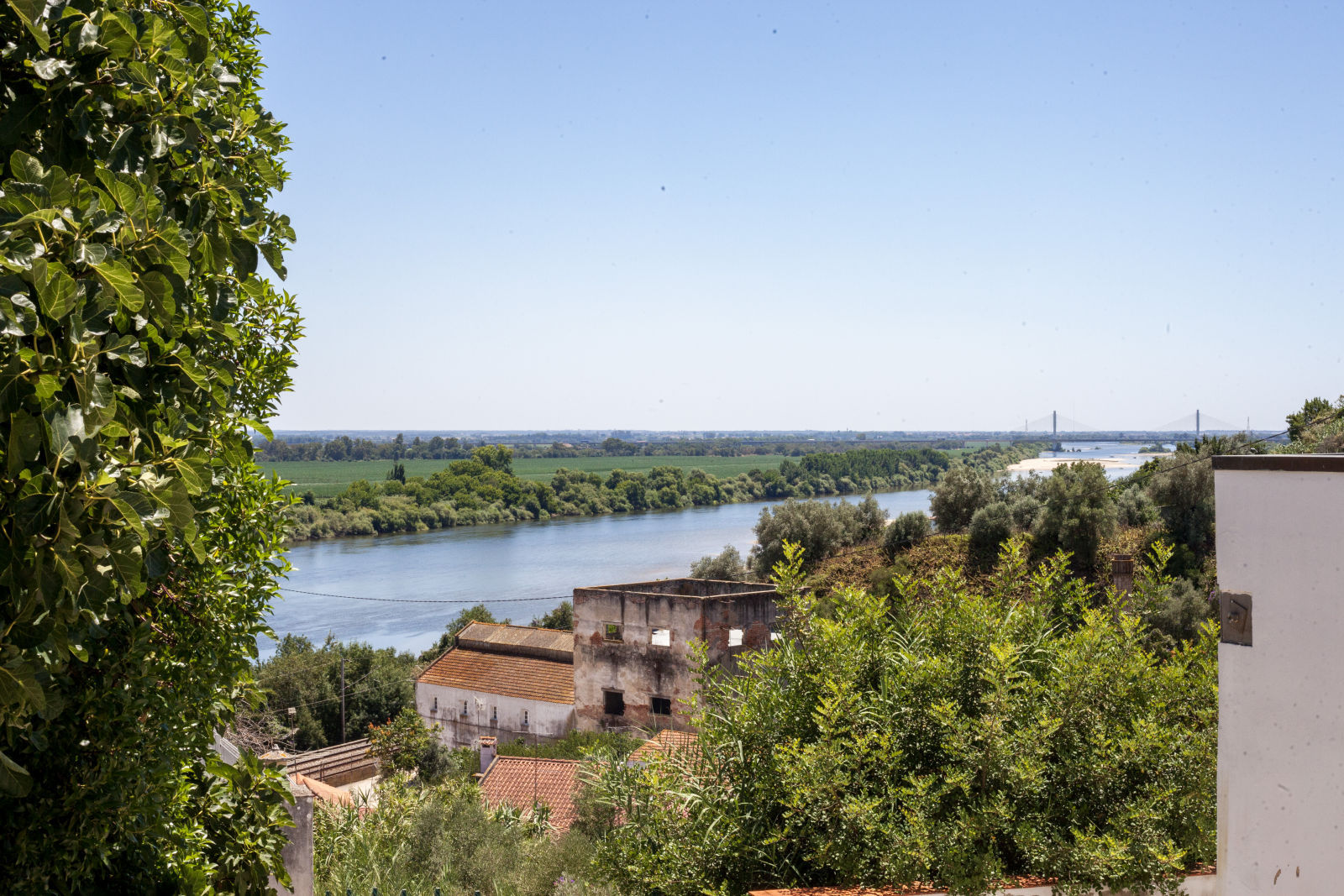
On the banks of the river, Valada and its century-old Rainha Dona Amélia iron bridge that links both riversides, offer memorable views of the river in four seasons. The surrounding fields are some of the most fertile lands in Portugal.


Population breakdown
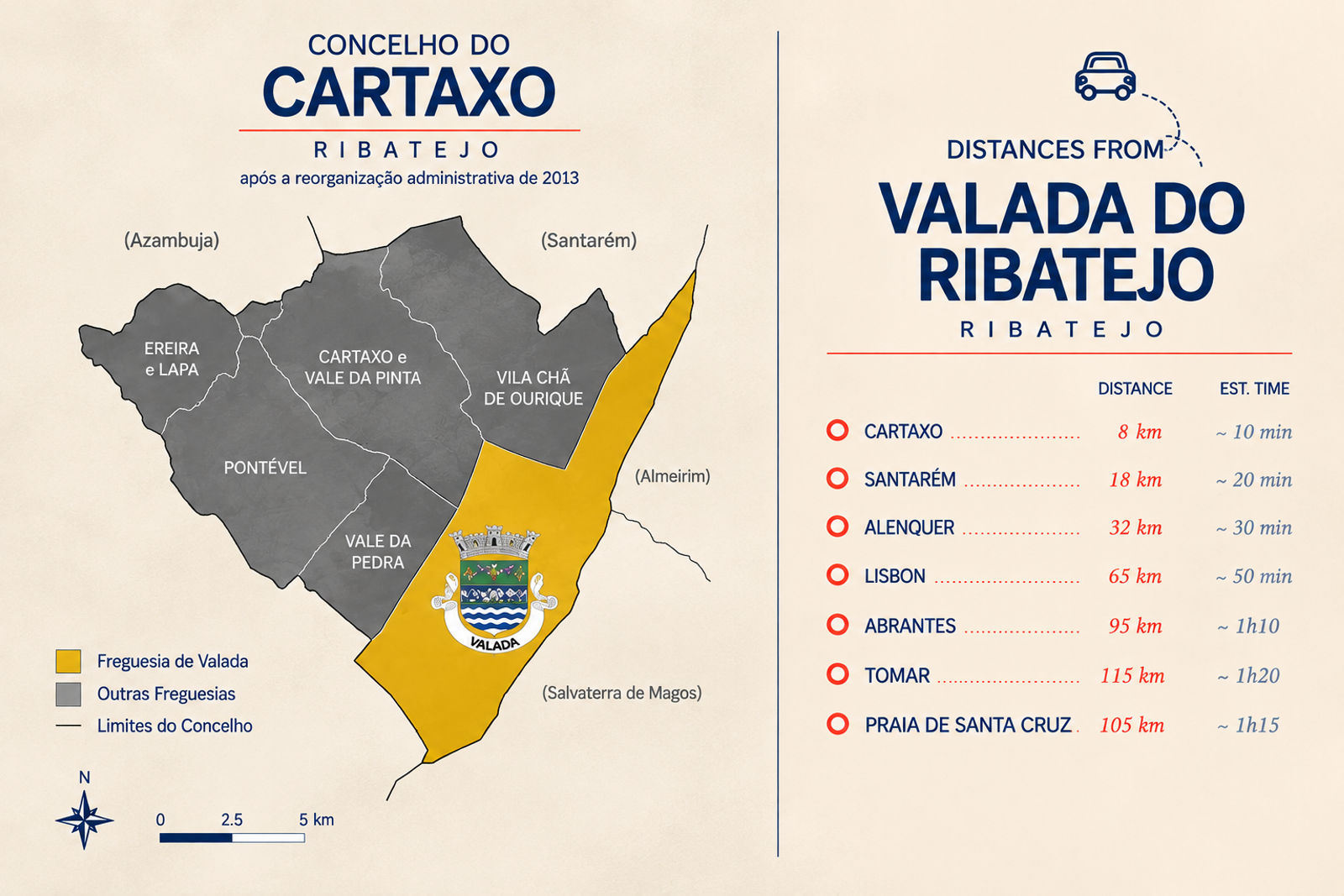
The small rural parish of Valada that runs across an area of just over 40 km², and encompasses the localities of Valada, Porto de Muge, Reguengo, and Palhota, historically maintains a steady population floating between under 700 inhabitants.


Só Rio, a chilled riverside daycare
The village edges the river docks and recently welcomed the initiative of Portuguese entrepreneur Eduardo Reis, Só Rio, a beach bar and restaurant with water game activities for kids and adults. Eduardo and his mother have been in business for over 20 years in holiday entrepreneurship and co-founded Em Camp (my camp), a place for families in the region to drop their kids for summer holidays.


Valada, a low-key marketplace
The site is efficient and chilled, with parking right behind the greenery. Valada has historically nurtured a singular relationship with the river, and no doubt Só Rio adds fun to it with a safe and social destination for Portuguese and foreign residents in the region.


Family business meetup
At Só Rio, you will meet youth of surrounding ranches, of productive quintas and wineries, and people working in falconries nearby or in reputable tables of regional cuisine. They are often the sons and daughters who took over a family business. According to Eduardo Reis, the few available B&Bs and hotels in the vicinity are promptly booked in high season.


Live in Lisbon, create in Ribatejo
Valada—so close to Lisbon—could become a late-autumn comfortable destination that allow the discovery of region. There is room for retreats and friend getaways in a place within a radius of one hour from Lisbon.


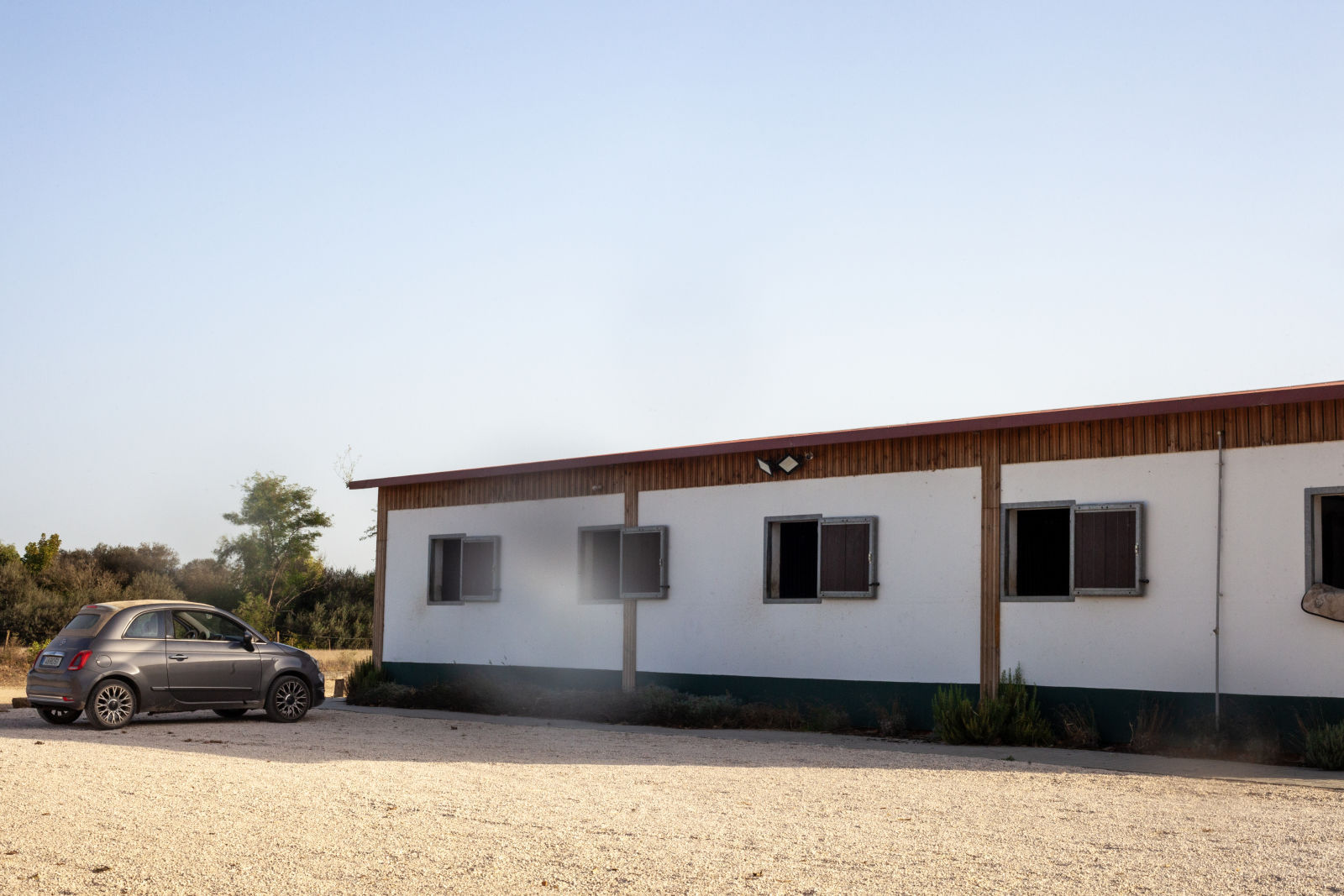
Drive a cream mini convertible
From Lisbon, the distance is 66 km (~50 minutes). From the A1, take the exit at Cartaxo. At eight kilometres, on a peaceful regional road north of Cartaxo, appears the small village of Valada, idling on the riverbank.


Read on the train to Tomar
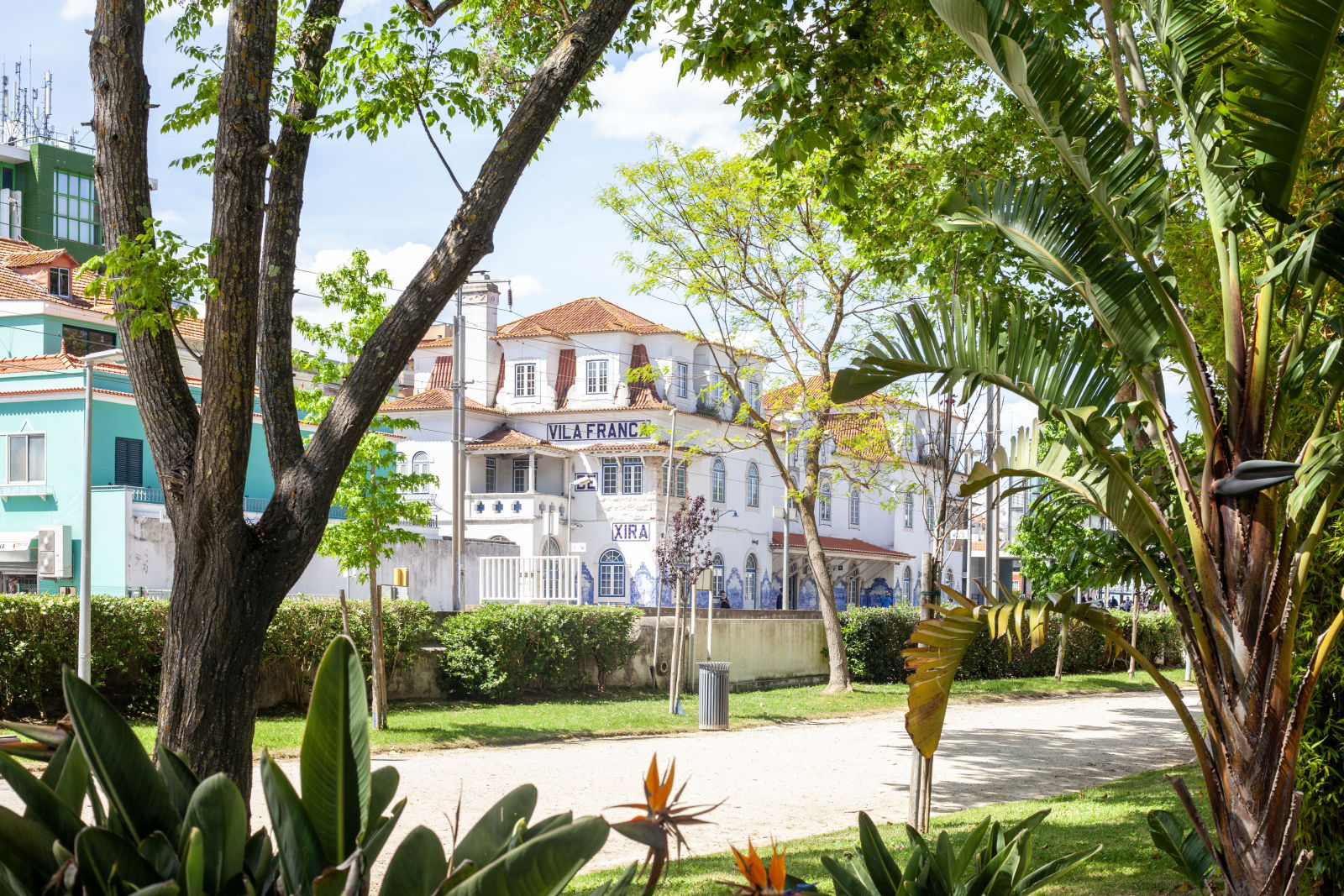
Valada is yet too secretive for a train station of its own. For people joining by train with their bikes, departure from Lisbon can be from Alcantara-Terra, Santa Apolónia, or Oriente. Over fifteen trains run every day. Stop at Reguengo-Vale da Pedra station, one kilometre from Valada, and cycle along the rural lands in pristine silence.
Train and car take the same time, 45 to 50 minutes.


Shop fresh for your Food Lab
Cartaxo has everything fresh required to get your Lacanche kitchen in full swing. The municipal market offers well-filled stalls on market days with bio and local vegetables, fruit, fish, meat, and seasonal flowers. Lidl, Continente and Intermarche will secure weekly shopping.


Market insights
You will not be alone in the heritage collectors’ member club. Foreign investors settling in Ribatejo are growing in numbers. It is particularly felt from Lisbon commuters and international residents looking for housing value outside the capital.


Ribatejo on the real estate rada
British, Brazilians, French, Germans, and Americans are particularly attracted to authentic Portuguese lifestyle, its preserved wealth of patrimony and Ribatejo’s unique regional cuisine. From Lisbon to Tomar, buyers seek manors and townhouses, village renovation projects, and a change from urban to authentic pastoral lifestyle that evades the gentrification of capital’s tourism. Owner-operators adapt traditional quintas into AL accommodations with personalised experiences.


Barbour and Chablis Portuguese style
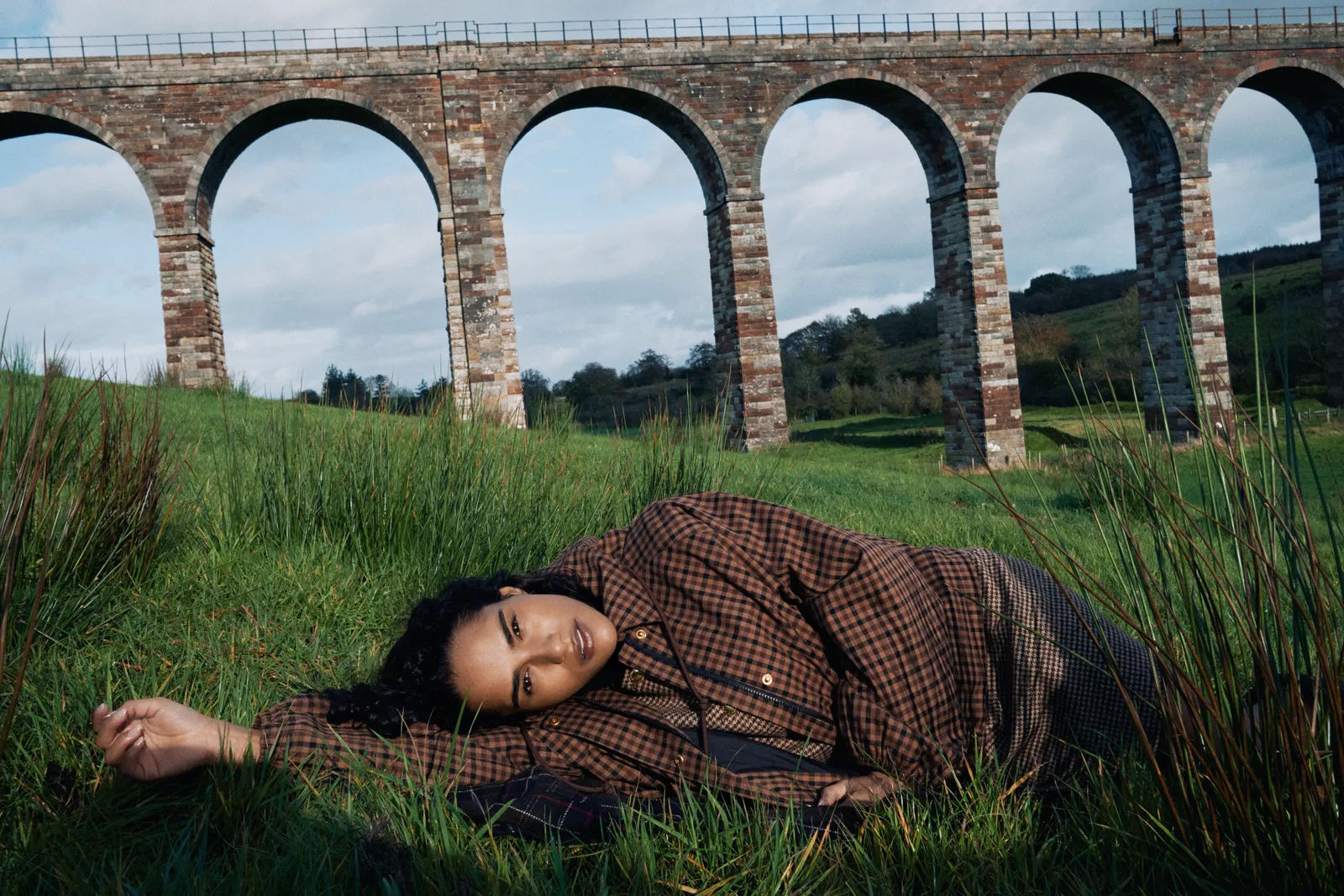
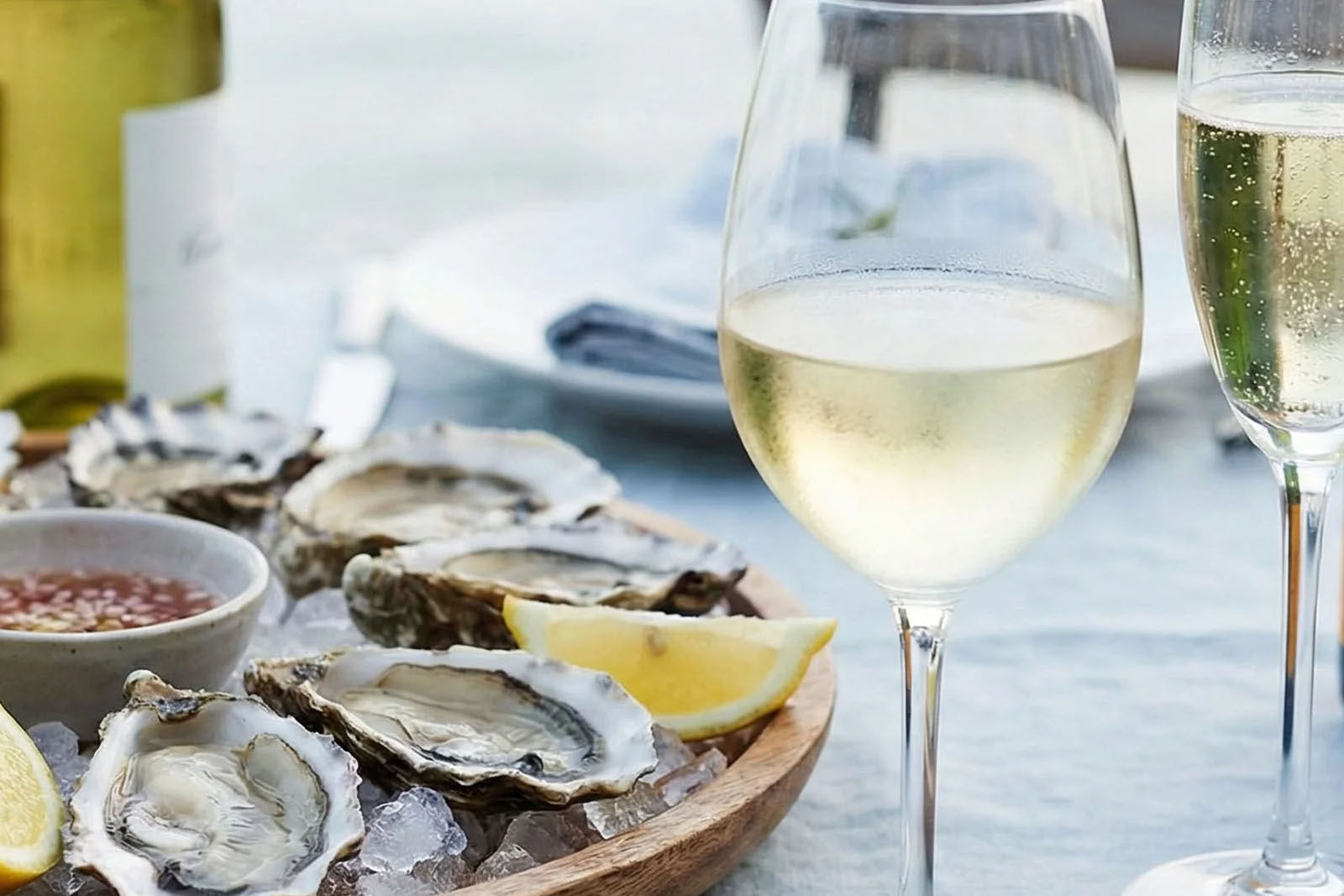
Londoners escape Winter gloom and urban life routine with weekend getaways in stylish country houses and leafy cottages at a few hours from the capital, wearing Barbour and Wellies. Parisians ride trains to Normandy to seat in misty weather for oysters in months of R watered by crisp-mineral Chablis.


Change the narrative of hosting
Portugal has mostly catered its economy around coastline tourism and Lisbon-Porto urban dwelling. Not everyone loves surfing or sitting on beaches. People fond of cycling, birdwatching, heritage explorations, and enotourism, will love Ribatejo’s authentic Portuguese lifestyle.

A manor with six spacious suites, secures privacy and high-end comfort all year round. At the heart of the house, the 40 m² living room and its fireplace for the ancestral circle of warmth that has defined humanity since its inception.


Heritage visionaries spark deserts and sleepy towns
"The older I get I have less need for contemporary culture and big cities and all the stuff we are bombarded with. I am happier at my ranch in the middle of nowhere watching a bug carry leaves across the grass, listening to silence, riding my horse, and being in open space…”
—Tom Ford, The Talks

Our notion and perception of time have changed. Slow fashion has helped move away from hyper-consumerism. Barefoot Luxury has seeded eco-living. Remote work has moved away forced commuting to artificially lit office. And the role of housing has changed, embracing versatility and expanding geography.

Creative visionaries who shaped the runways in Paris and New York have become masters of Land Art—shaping deserts, wilderness, and sleepy towns into the new catwalks.

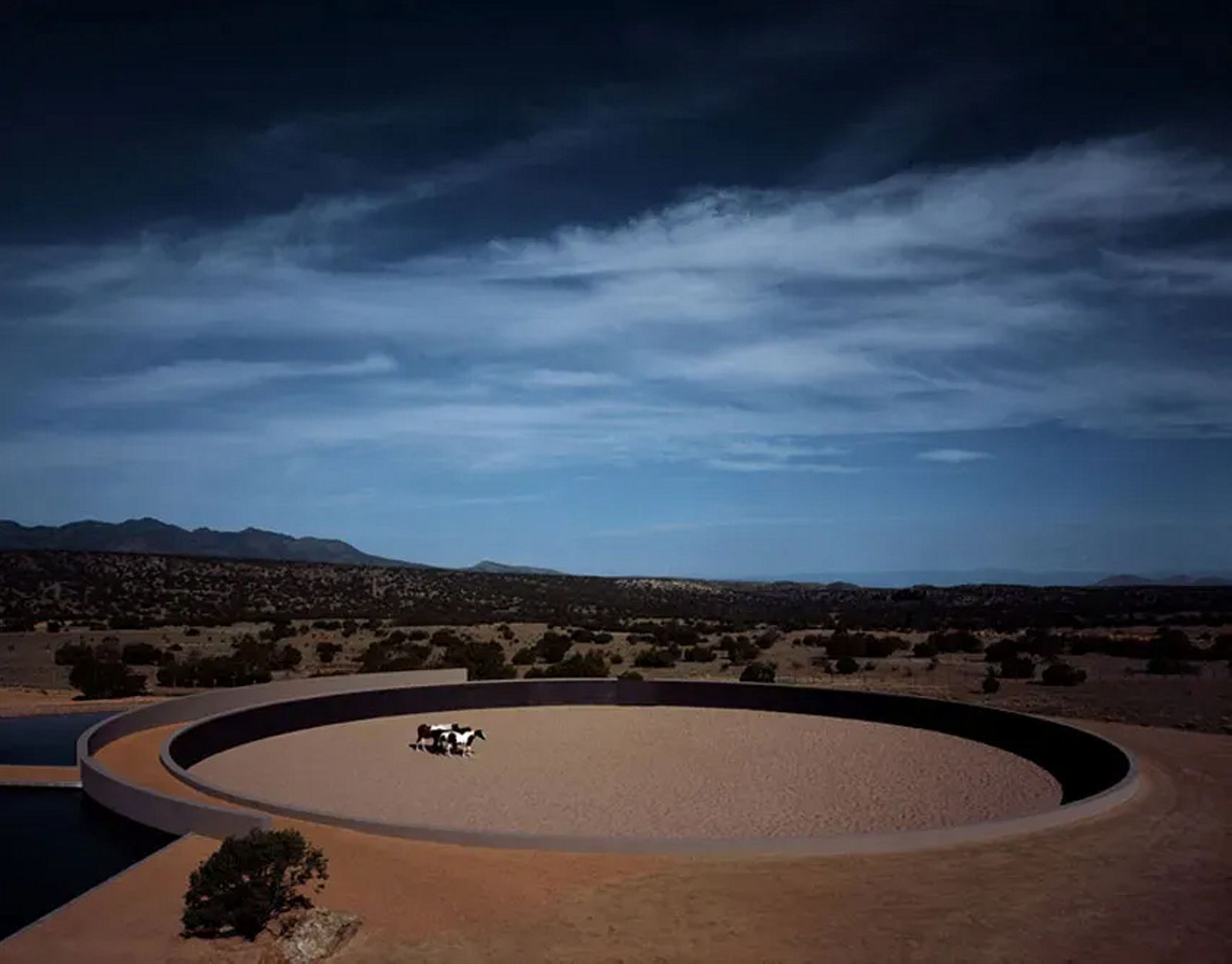
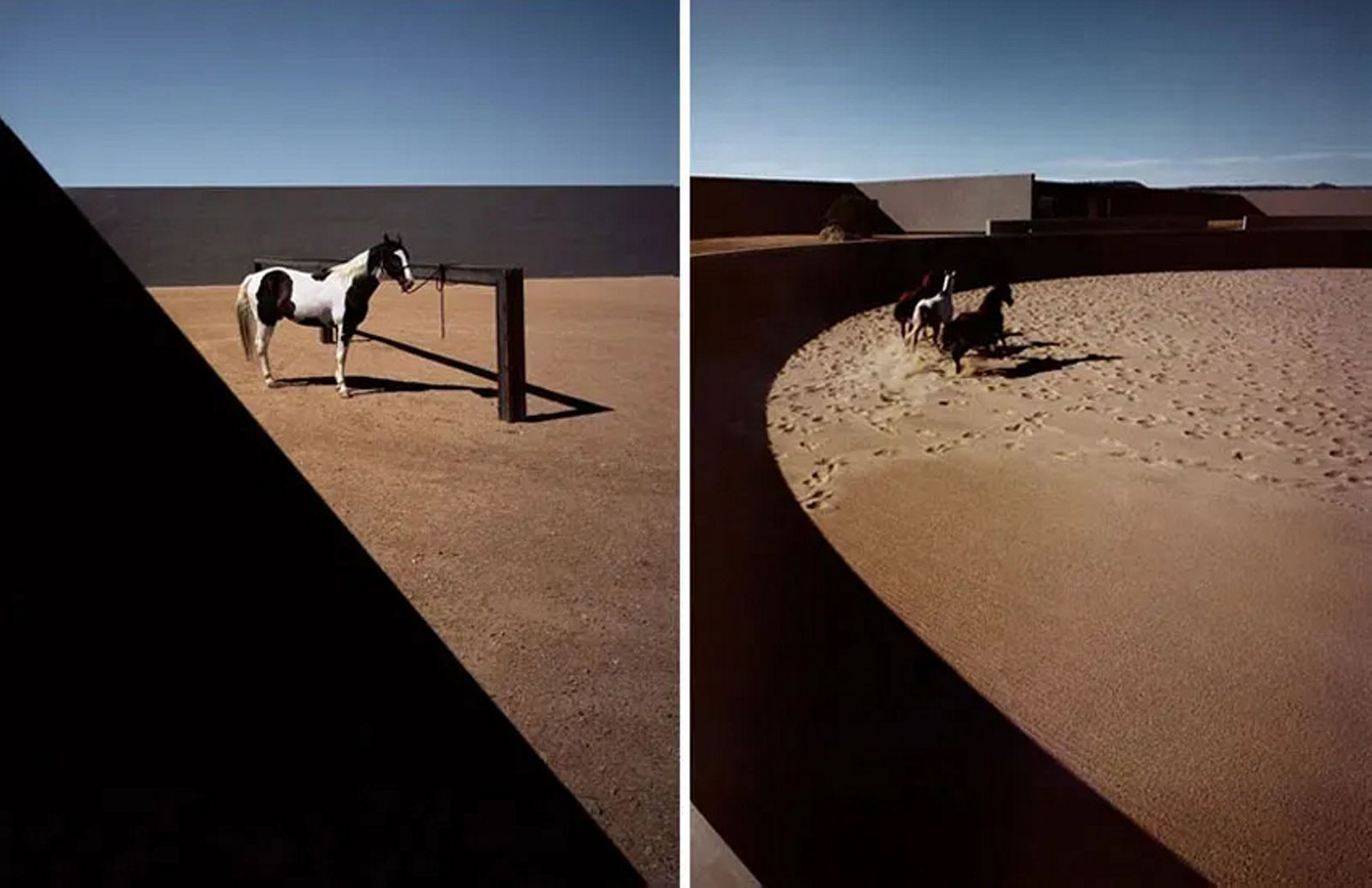
American fashion designer and film director Tom Ford assigned Cerro Pelon Ranch in Santa Fe, New Mexico, his desert property to Tadao Ando, the Japanese master of pure geometry. With a scalpel dipped in light and shade, emptiness transformed into a magnetic shape where horses became the super models.


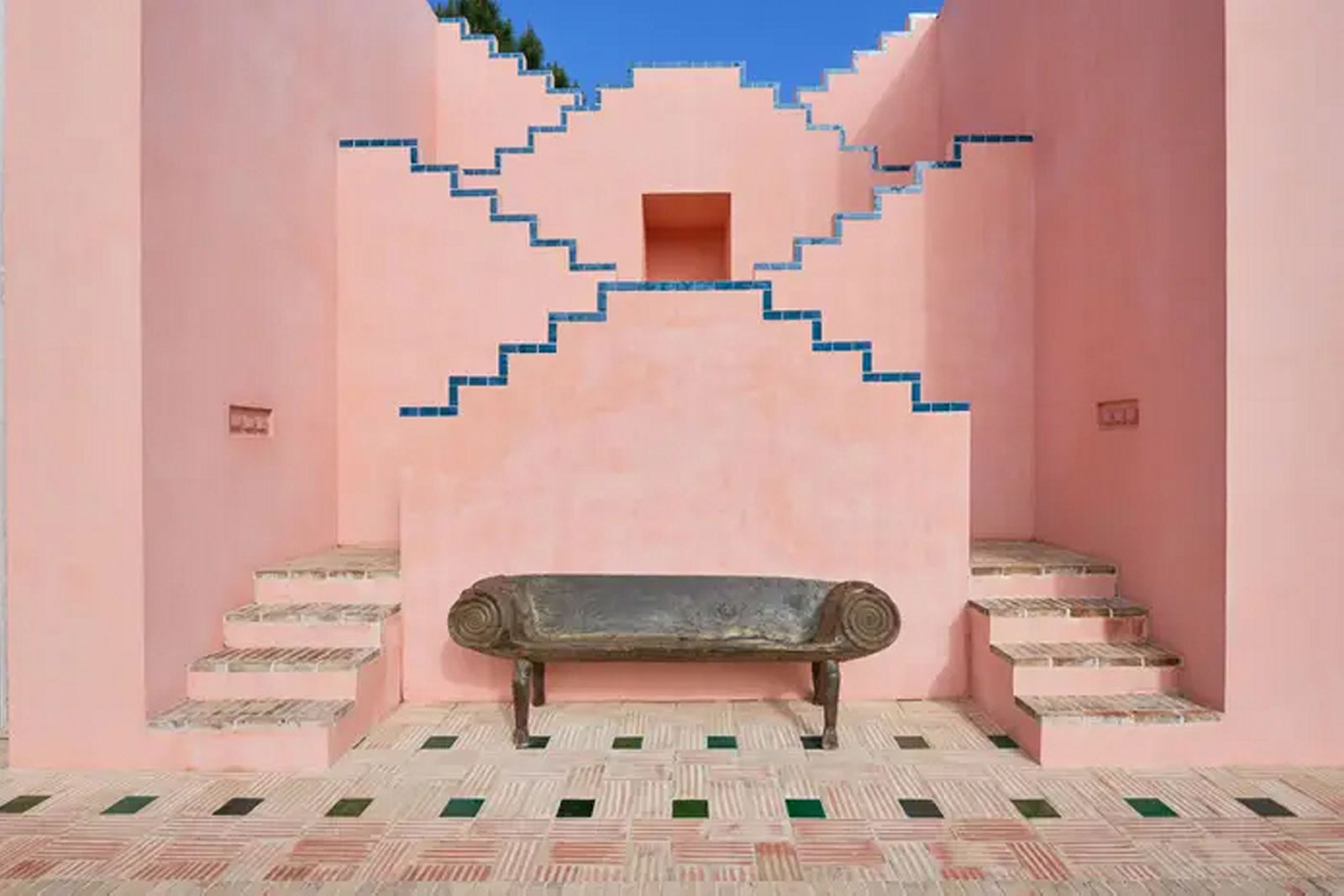
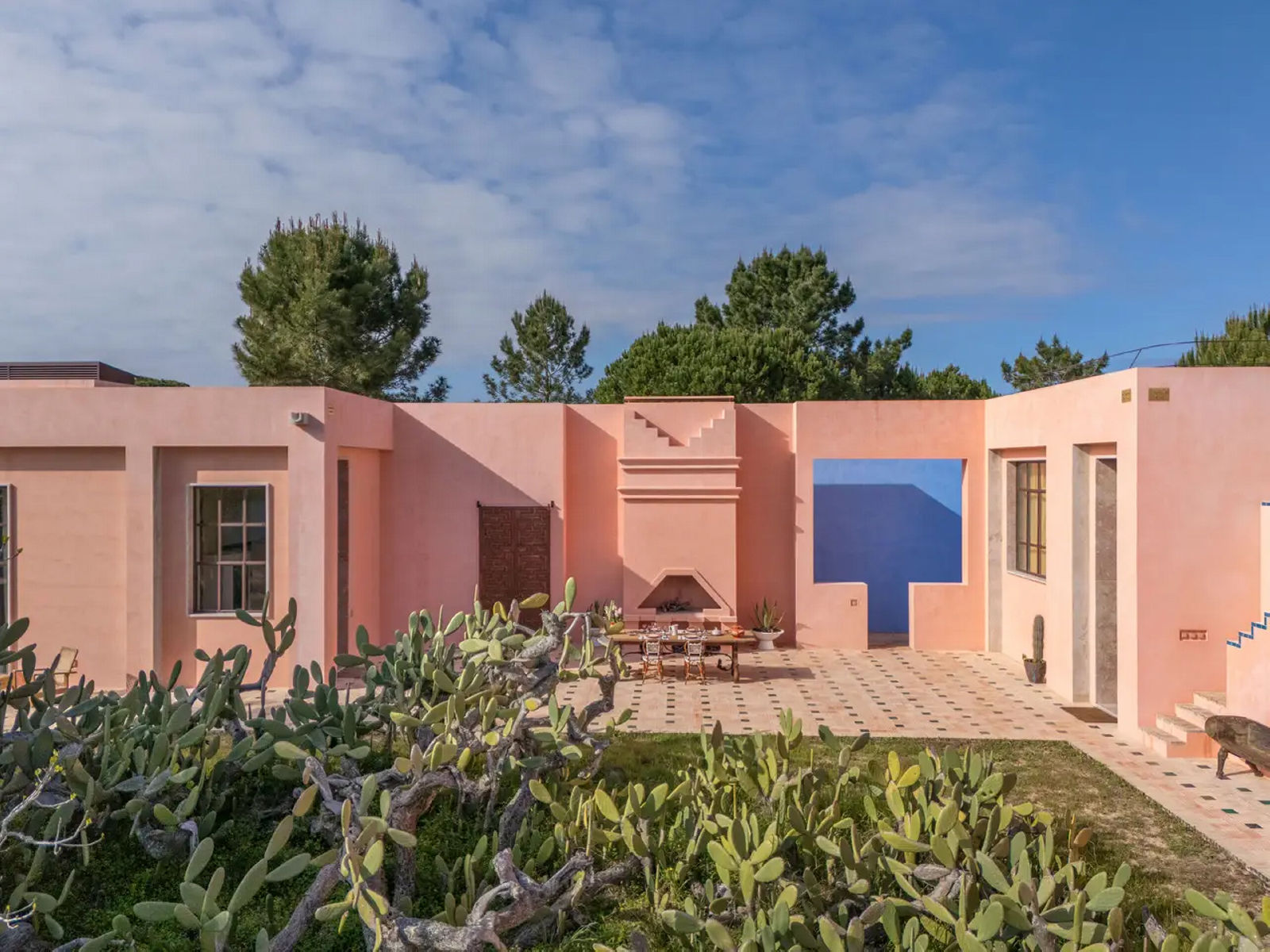
Parisian designer Christian Louboutin applied his Chinese Red Pantone 18-1663 TPX signature to Coastal Alentejo. It became a boutique hotel called Vermelho (red in Portuguese), pairing with Portuguese architect Madalena Caiado. The tiny village of Melides has now global resonance. And “There’s more Red in the Alentejo: discover the new Louboutin-designed villas in Melides” below and here.


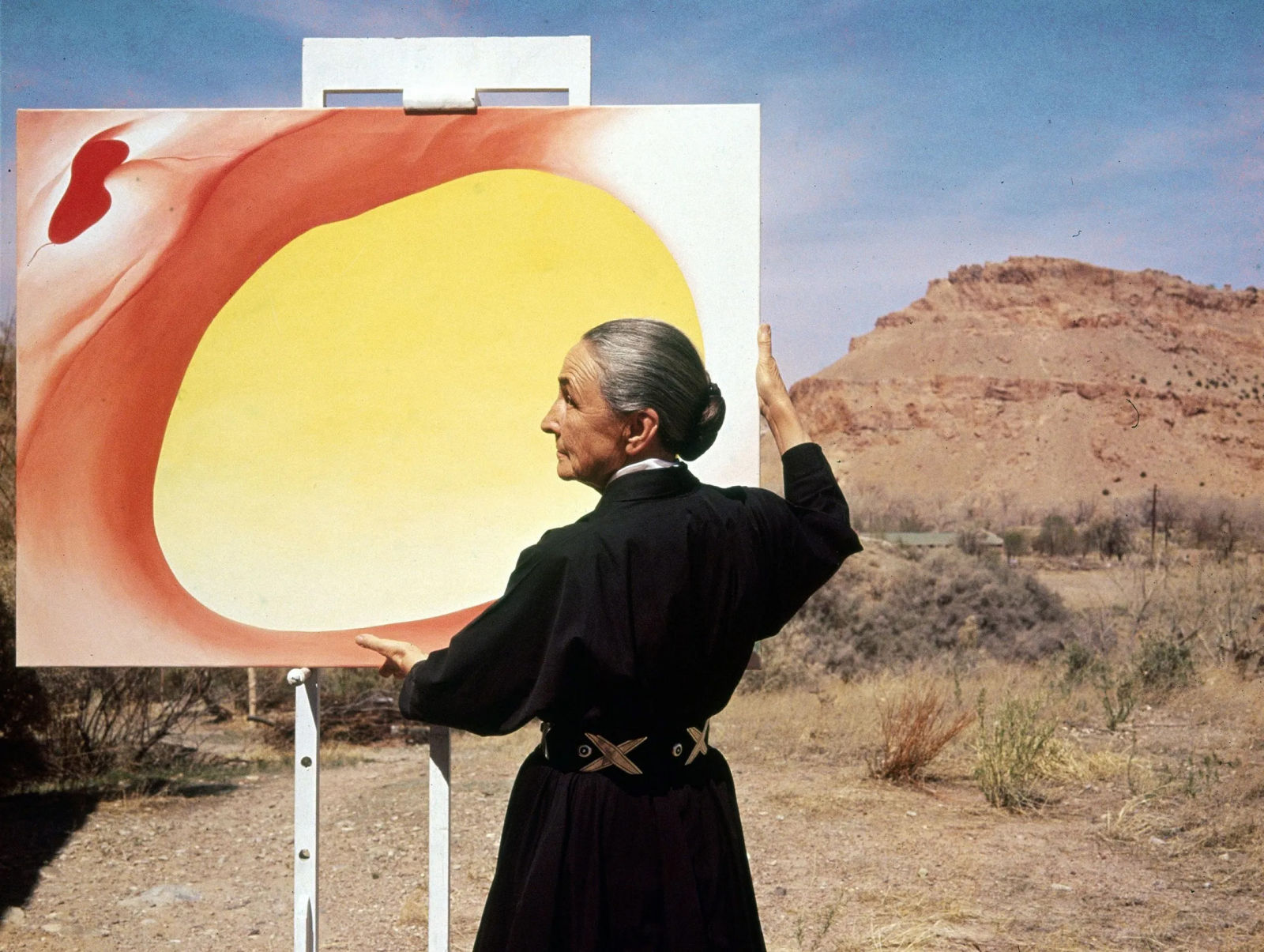
The pioneer of this movement towards deserts, unspoiled lands and silence, is the American artist painter Georgia O’Keeffe (1887-1986), icon of the New York avant-garde (1920-30s) with her husband, photographer Alfred Stieglitz. The painter developed bonds with the striking landscape of New Mexico, often staying at Rancho de Los Burros in Abiquiú, that she bought in 1940 to become the Ghost Ranch. Coined “the loner of the desert”, she magnified flowers, animal skulls and mountain ranges into timeless paintings and auction records.

Ribatejo: Market Research 2006. Download 10 Facts on Real Estate in Portugal.

Discover Ribatejo in depth. Download this series of Ribatejo Guides.


Photo credits: horse, AlmadeAventureiros, map Royal Falconry House Royal Journey by Adamastor Studio, Reserva Natural do Paul de Boquilobo, visitgolega.com, artist Amadeo de Souza Cardoso, illustration from the Jena codex (Hussite Wars 15th century), Campinos of Portugal by photog. Jovelino, group of bay Alter Real mares, Coudelaria de Alter do Chão, campaign Barbour, birdwatching in Ribatejo, birdingplaces.eu, Saker falcon Ribatejo Royal Falconry, Tom Ford’s Ranch, Cerro Pelon, architect Tadao Ando, photography Guido Mocafico, Lusitanos horses on the Tagus riverbank, Christian Louboutin, courtesy Vermelho Hotel.

© Dandy Vagabonds 2026